Ever woken up to find your pillow slightly damp? Don’t worry – you’re not alone! As a sleep researcher and healthcare writer, I’ve received countless questions about this common phenomenon. Let’s dive deep into why we drool during sleep and what it might tell us about our health.
The Science Behind Sleep Drooling
Understanding Saliva Production
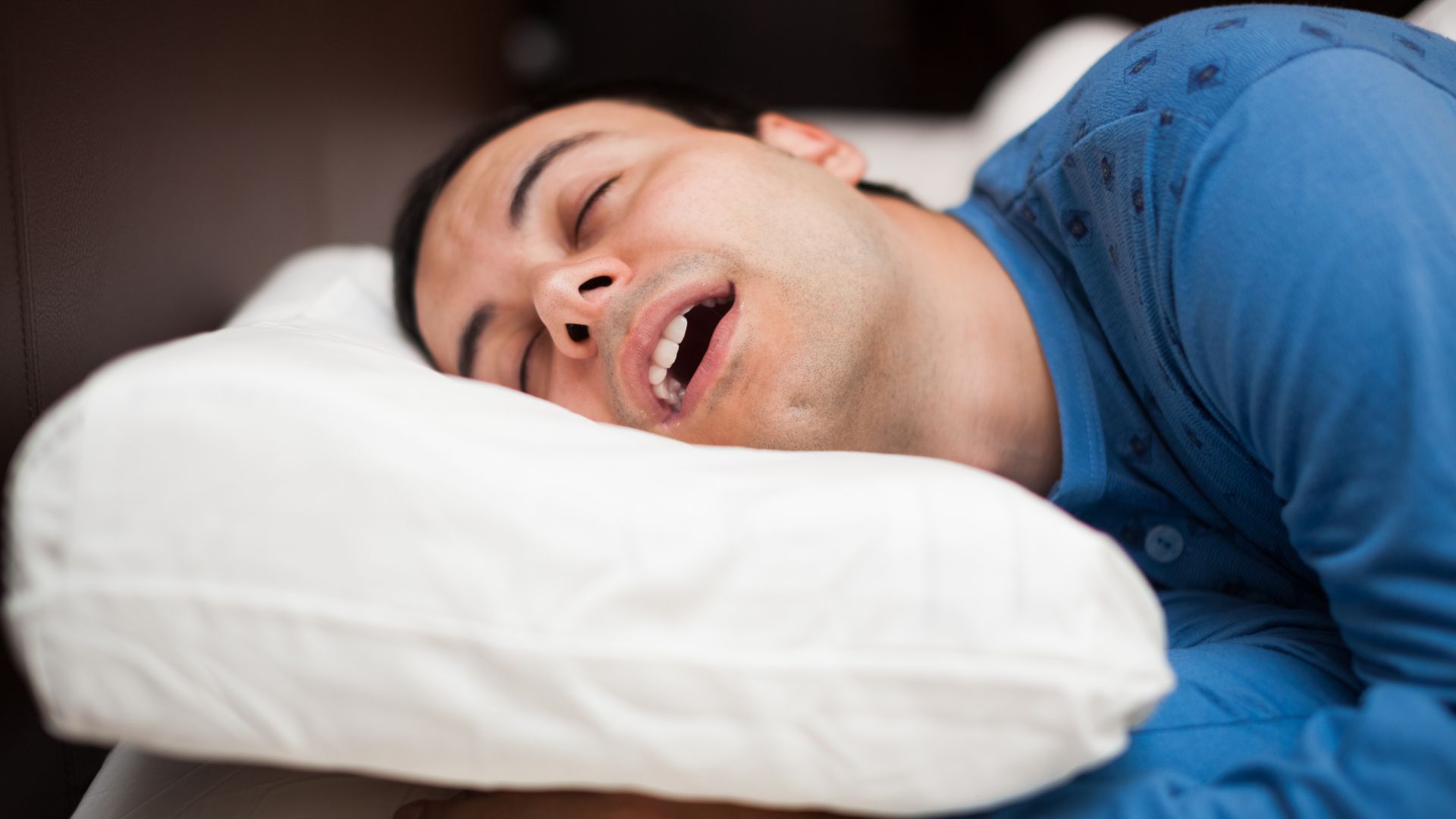
Your body is constantly producing saliva – about 1-2 quarts daily! During waking hours, you automatically swallow this saliva every few minutes. However, things change when you drift off to dreamland. Your swallowing reflex naturally decreases during sleep, leading to that pool of drool on your pillow.
Sleep Position Matters
Your sleeping position plays a crucial role in whether you wake up with a wet pillow. Side and stomach sleepers are more likely to drool because gravity pulls saliva toward their pillow. Back sleepers typically experience less drooling since saliva tends to flow toward the throat, triggering the swallowing reflex more easily.
Common Causes of Excessive Drooling During Sleep
1. Sleep Position and Mouth Breathing
As mentioned earlier, your sleep position significantly impacts drooling. But there’s more to it – mouth breathing, often caused by nasal congestion or anatomical features, can increase saliva production and lead to more drooling.
2. Medical Conditions
Several health conditions can contribute to excessive nighttime drooling:
- Sleep apnea and other sleep disorders
- Allergies and sinus problems
- GERD (Gastroesophageal reflux disease)
- Neurological conditions
- Dental issues or jaw misalignment
3. Medications
Some medications can increase saliva production or relax facial muscles, leading to more drooling:
- Antipsychotic medications
- Muscle relaxants
- Some antidepressants
- Medications for Alzheimer’s disease
Is Nighttime Drooling Normal?
The short answer: Yes, occasional drooling during sleep is completely normal! However, excessive drooling (medically known as sialorrhea) might indicate an underlying condition that needs attention.
When Should You Be Concerned?
While some drooling is natural, watch out for these red flags:
- Sudden increase in drooling
- Difficulty swallowing during the day
- Frequent choking episodes
- Persistent bad breath
- Unexplained weight loss
- Speech changes
If you experience any of these symptoms, it’s worth consulting a healthcare provider for proper evaluation.
Tips to Manage Nighttime Drooling
1. Adjust Your Sleep Position
Try sleeping on your back using a slightly elevated pillow. This position helps maintain proper airway alignment and encourages natural swallowing reflexes.
2. Address Underlying Issues
- Treat allergies and sinus problems
- Manage acid reflux symptoms
- Consider getting evaluated for sleep apnea
- Maintain good oral hygiene
3. Environmental Modifications
- Use a humidifier to prevent dry mouth
- Ensure your bedroom has good air quality
- Consider hypoallergenic bedding if allergies are an issue
4. Lifestyle Changes
- Stay hydrated throughout the day
- Practice good sleep hygiene
- Avoid heavy meals before bedtime
- Consider nasal strips if you’re prone to congestion
The Benefits of Understanding Your Sleep Patterns
Being aware of your sleep patterns, including drooling, can provide valuable insights into your overall health. Many people feel embarrassed about drooling, but understanding that it’s a natural process can help reduce anxiety and promote better sleep habits.
Final Thoughts
Drooling during sleep is a common occurrence that affects people of all ages. While it might be embarrassing for some, remember that it’s usually harmless and often preventable with simple lifestyle modifications. However, if excessive drooling concerns you or affects your quality of life, don’t hesitate to seek medical advice.
The key is to understand your body’s patterns and recognize when changes might indicate something requiring attention. By maintaining good sleep hygiene, addressing underlying conditions, and making appropriate lifestyle adjustments, you can manage nighttime drooling effectively.
Remember, quality sleep is crucial for overall health and well-being. Don’t let concerns about drooling keep you from getting the rest you need. With the right approach and understanding, you can work toward more comfortable and refreshing sleep experiences.
A Natural Supplement Worth Considering
As a Registered Nurse, I believe in combining sound lifestyle practices with targeted nutritional support. One product I recommend looking into is Master Multivitamin Gummies from Master Nutritional.
This supplement helps fill nutritional gaps, supports sustained energy levels, and promotes overall daily wellness. It is crafted from carefully selected ingredients designed to complement a health-conscious lifestyle.
Key benefits include:
- Formulated with high-quality, science-backed ingredients
- Designed to support long-term wellness rather than quick fixes
- Manufactured to rigorous quality standards
- Available directly through Master Nutritional
Disclaimer: These statements have not been evaluated by the FDA. This product is not intended to diagnose, treat, cure, or prevent any disease. Always consult your healthcare provider before beginning any new supplement regimen.
Frequently Asked Questions
What are the main health takeaways about Why Do We Drool In Our Sleep? A Complete Guide to Nighttime Drooling?
A proactive approach combining lifestyle habits, targeted nutrition, and professional medical guidance produces the most lasting results.
Can supplements help with this health concern?
Quality supplements like Master Multivitamin Gummies from Master Nutritional may provide meaningful support. Always consult your doctor first.
How quickly can healthy habits make a difference?
Most people notice meaningful changes within 4 to 8 weeks of consistent effort, though individual results vary.