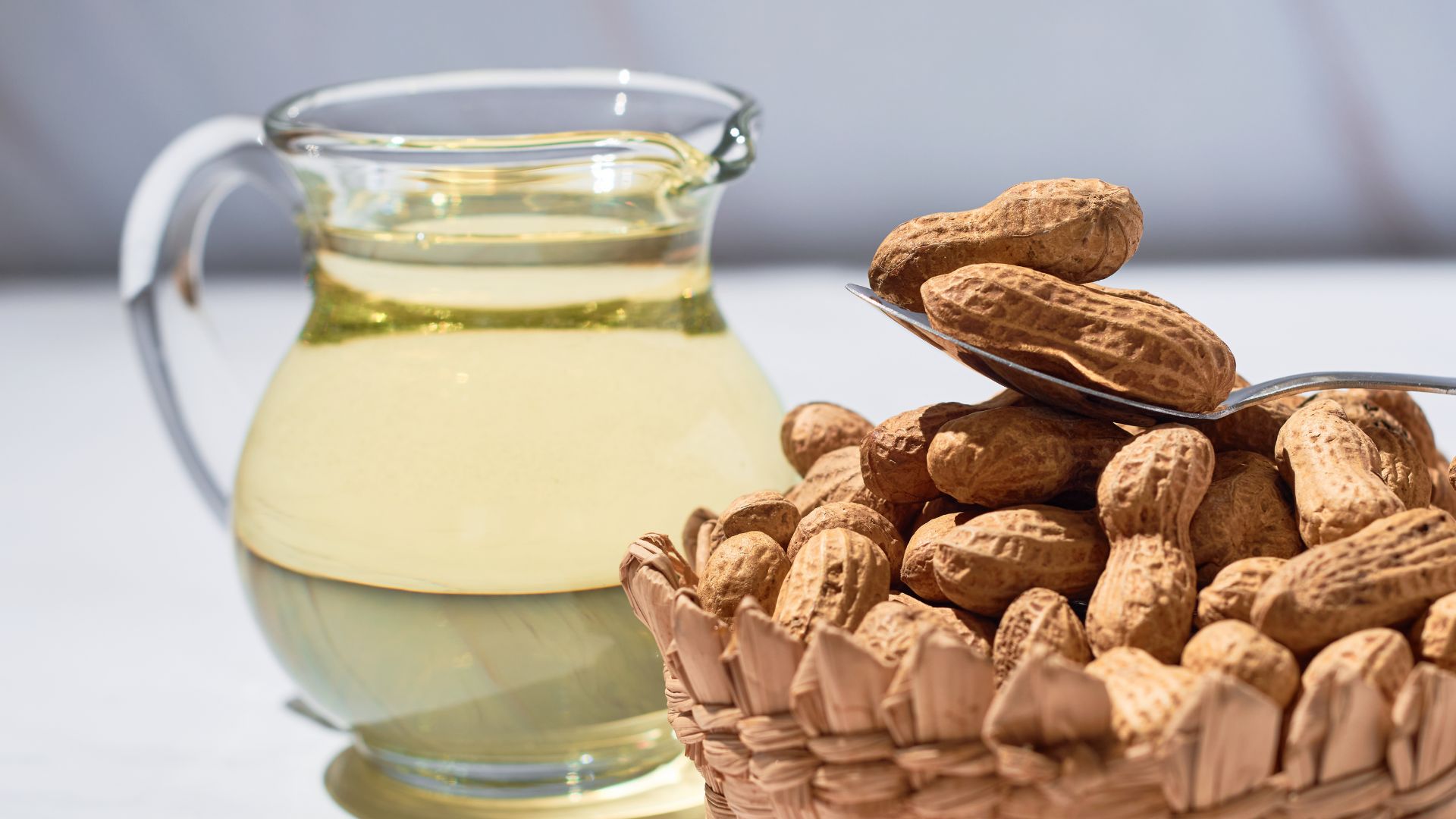
Have you ever wondered why your grandmother swore by peanut oil for her legendary stir-fries? As someone who’s spent years exploring cooking oils and their impact on health, I’m excited to share the remarkable benefits of this often-overlooked kitchen staple. Whether you’re a cooking enthusiast or simply health-conscious, understanding peanut oil’s potential could revolutionize your approach to healthy eating.
What Makes Peanut Oil Special?
Before diving into the benefits, let’s understand what sets peanut oil apart. This golden liquid, extracted from ground peanuts, has been a cornerstone of Asian cuisine for centuries. Its unique composition of healthy fats and micronutrients makes it more than just another cooking oil – it’s a powerhouse of nutrition.
The Nutritional Profile
One tablespoon of peanut oil contains:
- Vitamin E: 11% of daily value
- Heart-healthy monounsaturated fats
- Zero cholesterol
- Small amounts of phytosterols
- Antioxidants
Key Health Benefits That Will Surprise You
1. Heart Health Champion
Peanut oil could be your heart’s new best friend. Rich in monounsaturated and polyunsaturated fats, it helps maintain healthy cholesterol levels. These “good” fats work to lower harmful LDL cholesterol while preserving beneficial HDL cholesterol. Think of it as a gentle guardian for your cardiovascular system.
2. Skin and Hair Nourishment
Your beauty routine might benefit from this versatile oil. The high vitamin E content acts as:
- A natural moisturizer
- An antioxidant shield against environmental damage
- A supporter of skin cell regeneration
Many people don’t realize that applying peanut oil topically (after a patch test) can help maintain skin elasticity and promote a healthy glow.
3. Anti-Inflammatory Properties
Life in modern America often comes with inflammatory challenges. Peanut oil contains resveratrol, the same antioxidant found in red wine, known for its anti-inflammatory properties. This makes it particularly beneficial for:
- Managing joint discomfort
- Supporting overall immune function
- Helping with post-exercise recovery
4. Blood Sugar Management
Research suggests that the healthy fats in peanut oil may help stabilize blood sugar levels. When used as part of a balanced diet, it could help:
- Reduce glucose spikes after meals
- Support insulin sensitivity
- Contribute to better diabetes management
Cooking with Peanut Oil: Practical Tips
High-Heat Cooking Champion
One of peanut oil’s standout features is its high smoke point (450°F/232°C). This makes it perfect for:
- Deep frying
- Stir-frying
- Searing meats
- Roasting vegetables
The oil maintains its nutritional integrity even at high temperatures, unlike some other cooking oils that break down and release harmful compounds.
Storage and Shelf Life
To maximize the health benefits of peanut oil:
- Store in a cool, dark place
- Keep tightly sealed
- Use within 6 months after opening
- Check for any rancid smell before use
Important Considerations
Allergies and Safety
Let’s address the elephant in the room – peanut allergies. If you or family members have peanut allergies, highly refined peanut oil might be safe due to the removal of proteins during processing. However, always consult your healthcare provider before trying any new food product.
Quality Matters
Not all peanut oils are created equal. For maximum health benefits:
- Choose cold-pressed or expeller-pressed varieties
- Look for organic options when possible
- Avoid heavily refined versions if seeking nutritional benefits
- Check for reputable brands with transparent sourcing
Creative Ways to Incorporate Peanut Oil
Beyond Basic Cooking
Think outside the box with these innovative uses:
- Base for homemade salad dressings
- Oil pulling for oral health
- Natural furniture polish
- Hair conditioning treatment
Perfect Pairings
Enhance your cooking by pairing peanut oil with:
- Asian-inspired dishes
- Roasted root vegetables
- Homemade popcorn
- Marinades for grilled meats
Environmental Impact
Choosing peanut oil can also be environmentally conscious. Peanuts:
- Require less water than many other oil-producing crops
- Help fix nitrogen in soil
- Often need fewer pesticides than other crops
- Can be grown sustainably in many regions
The Bottom Line
Peanut oil isn’t just another cooking oil – it’s a versatile, healthy addition to your kitchen arsenal. Its combination of heart-healthy fats, antioxidants, and practical cooking properties makes it worth considering as your go-to oil. Remember, the key to reaping its health benefits lies in using it as part of a balanced diet and healthy lifestyle.
Consider starting with a small bottle to experiment with its various uses. Pay attention to how it enhances your cooking and potentially contributes to your overall well-being. Like any dietary change, moderation is key, and what works for one person may not work for another.
As Americans become increasingly health-conscious, incorporating traditional ingredients like peanut oil into modern cooking can bridge the gap between health and flavor. Whether you’re sautéing vegetables, deep-frying chicken, or looking for a new addition to your wellness routine, peanut oil might just be the versatile solution you’ve been searching for.
A Natural Supplement Worth Considering
As a Registered Nurse, I believe in combining sound lifestyle practices with targeted nutritional support. One product I recommend looking into is Master D-Mannose Vitamins from Master Nutritional.
This supplement supports urinary tract health and helps maintain a healthy bacterial balance in the bladder. It is crafted from carefully selected ingredients designed to complement a health-conscious lifestyle.
Key benefits include:
- Formulated with high-quality, science-backed ingredients
- Designed to support long-term wellness rather than quick fixes
- Manufactured to rigorous quality standards
- Available directly through Master Nutritional
Disclaimer: These statements have not been evaluated by the FDA. This product is not intended to diagnose, treat, cure, or prevent any disease. Always consult your healthcare provider before beginning any new supplement regimen.
Frequently Asked Questions
What are the main health takeaways about The Hidden Health Benefits of Peanut Oil: Your Kitchen’s Golden Secret?
A proactive approach combining lifestyle habits, targeted nutrition, and professional medical guidance produces the most lasting results.
Can supplements help with this health concern?
Quality supplements like Master Multivitamin Gummies from Master Nutritional may provide meaningful support. Always consult your doctor first.
How quickly can healthy habits make a difference?
Most people notice meaningful changes within 4 to 8 weeks of consistent effort, though individual results vary.