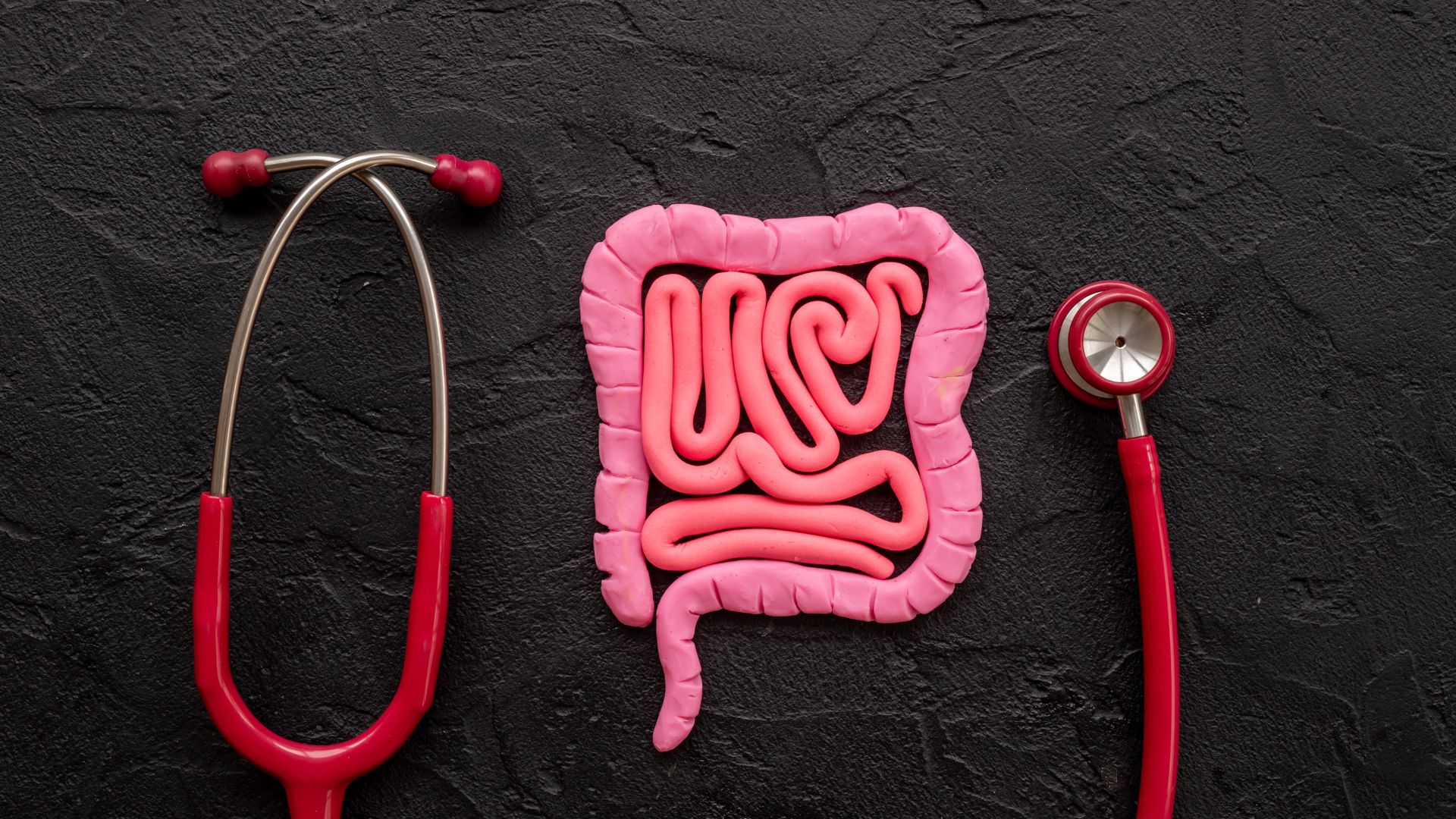
Ever tossed and turned all night, only to deal with stomach issues the next day? There’s fascinating science behind why poor sleep wreaks havoc on your digestive system. Let me share what research reveals about this crucial connection.
Sleep Deprivation’s Impact on Your Gut Microbiome
Your gut is home to trillions of beneficial bacteria that play essential roles in digestion, immunity, and even mood regulation. When you skimp on sleep, these microscopic allies take a hit. Research shows that even two nights of poor sleep can significantly alter your gut microbiome composition.
How Sleep Loss Disrupts Digestive Balance
When you don’t get enough quality sleep, several key changes occur in your digestive system:
- Increased Intestinal Permeability Lack of sleep can lead to “leaky gut,” where the tight junctions between intestinal cells become more permeable. This allows harmful substances to pass through your gut lining more easily, potentially triggering inflammation and digestive issues.
- Altered Hunger Hormones Sleep deprivation messes with leptin and ghrelin – hormones that regulate appetite and digestion. This disruption often leads to poor food choices and irregular eating patterns, further impacting gut health.
The Inflammation Connection
Poor sleep triggers inflammatory responses throughout your body, including your digestive tract. This inflammation can:
- Alter the diversity of your gut bacteria
- Slow down digestive processes
- Increase sensitivity to digestive discomfort
- Make you more susceptible to gastrointestinal issues
The Circadian Rhythm Factor
Your gut follows its own daily rhythm, synchronized with your sleep-wake cycle. When you disrupt this pattern through irregular sleep, your digestive system struggles to maintain its normal functions:
- Enzyme production becomes irregular
- Nutrient absorption may decrease
- Waste elimination can become less efficient
Practical Solutions for Better Sleep and Gut Health
Having worked through my own sleep-gut health challenges, I’ve found these strategies particularly effective:
- Maintain Consistent Sleep Hours Going to bed and waking up at the same time helps regulate your gut’s circadian rhythm.
- Create a Relaxing Bedtime Routine A calm pre-sleep routine reduces stress hormones that can negatively impact digestion.
- Mind Your Evening Meals Light, easily digestible dinners at least 3 hours before bedtime support both sleep and gut health.
The Role of Stress Management
Poor sleep increases stress, which directly impacts gut function. Managing stress through meditation, gentle exercise, or deep breathing can help break this cycle and improve both sleep and digestive health.
Looking Forward: The Bigger Picture
Understanding how sleep affects your gut health empowers you to make better choices. Start by prioritizing your sleep schedule and watch how your digestive health improves. Remember, small, consistent changes often lead to the most sustainable improvements.
By nurturing your sleep habits, you’re not just investing in better rest – you’re supporting your entire digestive system. Have you noticed changes in your digestion after poor sleep? Your experiences might help others understand this important connection better.
This holistic approach to understanding sleep’s impact on gut health reminds us that our body’s systems are deeply interconnected. Taking care of one aspect inevitably benefits the other, creating a positive cycle of overall well-being.
A Natural Supplement Worth Considering
As a Registered Nurse, I believe in combining sound lifestyle practices with targeted nutritional support. One product I recommend looking into is Master Probiotics – 40 Billion CFU from Master Nutritional.
This supplement supports digestive health, balances gut microbiome, and enhances immune performance. It is crafted from carefully selected ingredients designed to complement a health-conscious lifestyle.
Key benefits include:
- Formulated with high-quality, science-backed ingredients
- Designed to support long-term wellness rather than quick fixes
- Manufactured to rigorous quality standards
- Available directly through Master Nutritional
Disclaimer: These statements have not been evaluated by the FDA. This product is not intended to diagnose, treat, cure, or prevent any disease. Always consult your healthcare provider before beginning any new supplement regimen.
Frequently Asked Questions
What are the main health takeaways about The Sleep-Gut Connection: How Your Sleep Quality Shapes Your Digestive Health?
A proactive approach combining lifestyle habits, targeted nutrition, and professional medical guidance produces the most lasting results.
Can supplements help with this health concern?
Quality supplements like Master Probiotics – 40 Billion CFU from Master Nutritional may provide meaningful support. Always consult your doctor first.
How quickly can healthy habits make a difference?
Most people notice meaningful changes within 4 to 8 weeks of consistent effort, though individual results vary.