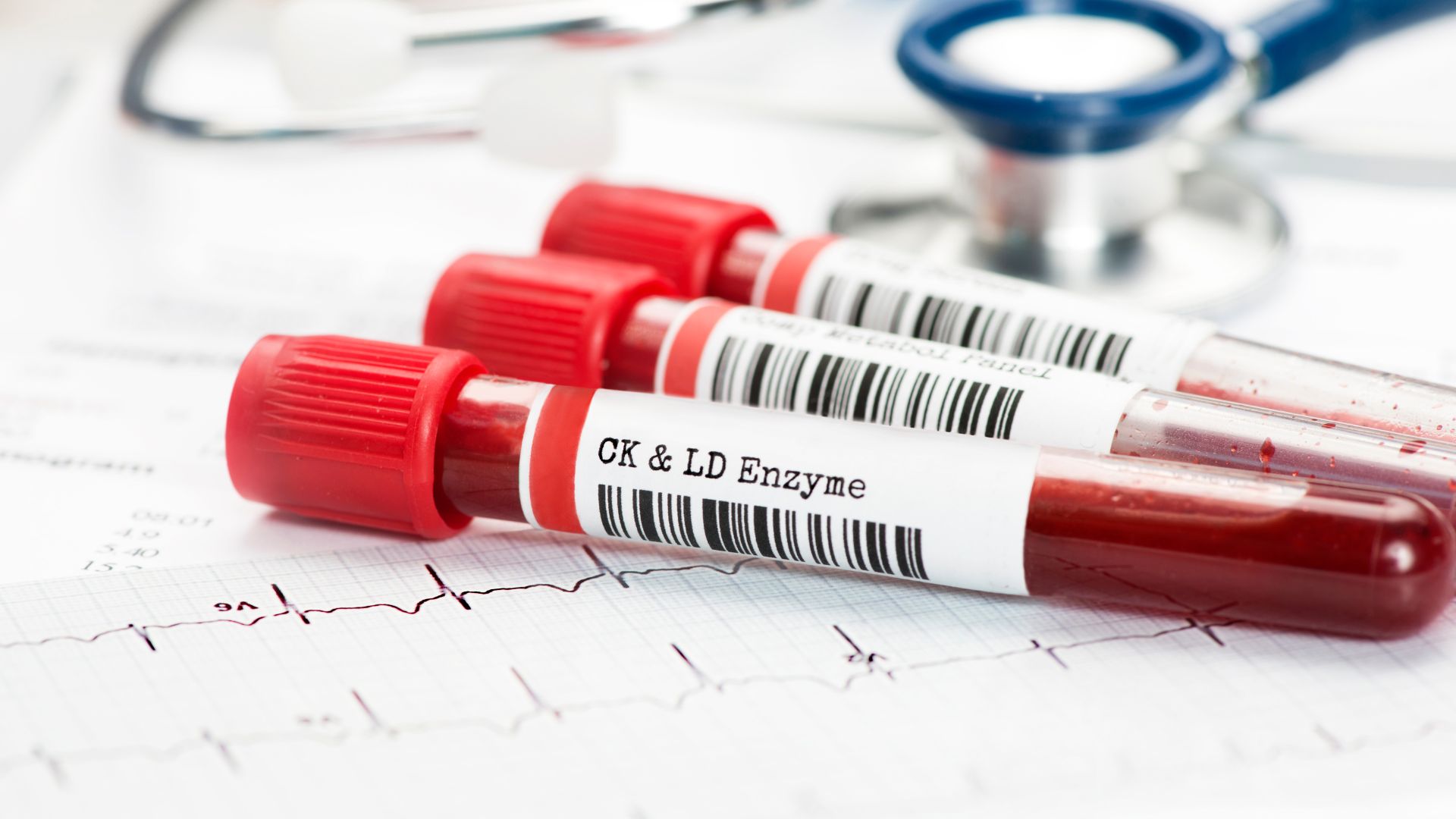
As a registered nurse with years of experience in patient care, one of the most common questions I hear is, “How often should I get a blood test?” The truth is, there’s no one-size-fits-all answer. The frequency of blood tests depends on several factors, including your age, health status, medical history, and risk factors for certain conditions. Let’s break it down so you can understand when and why you might need a blood test.
Routine Blood Tests: How Often Do You Need Them?
For generally healthy individuals, routine blood tests are an essential part of preventive healthcare. Here’s a basic guideline:
- Annual Blood Test – Many doctors recommend a comprehensive blood panel at least once a year during a routine physical. This often includes a Complete Blood Count (CBC), a Basic Metabolic Panel (BMP), and a Lipid Panel to check cholesterol levels.
- Every 3-6 Months – If you have a chronic condition such as diabetes, hypertension, or high cholesterol, your doctor may order blood tests every three to six months to monitor your condition.
- As Needed – If you’re experiencing symptoms such as fatigue, unexplained weight loss, frequent infections, or unusual bruising, your doctor may order blood tests to rule out conditions like anemia, thyroid disorders, or infections.
Specific Blood Tests and Their Frequency
- Complete Blood Count (CBC) – Usually part of an annual checkup, but more frequent if you have conditions like anemia or infections.
- Lipid Panel (Cholesterol Test) – Recommended every 4-6 years for healthy adults, but annually for those with heart disease risk factors.
- Blood Sugar Tests (Glucose & A1C) – Annual screening for adults over 45, more frequently for those with diabetes or prediabetes.
- Thyroid Function Test (TSH, T3, T4) – Every 1-2 years or more often if you have thyroid disorders or symptoms like fatigue and weight changes.
- Liver and Kidney Function Tests – Often done annually for people on medications that affect these organs or those with liver/kidney disease.
- Vitamin and Mineral Panels – If you have symptoms of deficiency, such as fatigue or hair loss, your doctor may check vitamin D, B12, and iron levels.
Why Are Blood Tests Important?
Blood tests provide vital information about your overall health. They can detect issues before symptoms appear, allowing for early treatment and prevention. They also help doctors monitor chronic conditions and adjust treatments as needed.
When Should You Get Additional Blood Tests?
If you:
- Have unexplained symptoms such as fatigue, dizziness, or swelling.
- Are starting a new medication that requires monitoring (e.g., blood thinners, cholesterol drugs).
- Have a family history of chronic conditions.
- Are undergoing a major life change such as pregnancy or significant weight loss/gain.
Final Thoughts
The frequency of blood tests varies from person to person. The best approach is to have regular checkups and discuss with your doctor what’s appropriate for you. Preventive healthcare is key to catching potential health issues early, so never hesitate to ask your healthcare provider about your next blood test.
Have any questions about blood tests? Drop them in the comments, and I’d be happy to help!
A Natural Supplement Worth Considering
As a Registered Nurse, I believe in combining sound lifestyle practices with targeted nutritional support. One product I recommend looking into is Master Multivitamin Gummies from Master Nutritional.
This supplement helps fill nutritional gaps, supports sustained energy levels, and promotes overall daily wellness. It is crafted from carefully selected ingredients designed to complement a health-conscious lifestyle.
Key benefits include:
- Formulated with high-quality, science-backed ingredients
- Designed to support long-term wellness rather than quick fixes
- Manufactured to rigorous quality standards
- Available directly through Master Nutritional
Disclaimer: These statements have not been evaluated by the FDA. This product is not intended to diagnose, treat, cure, or prevent any disease. Always consult your healthcare provider before beginning any new supplement regimen.
Frequently Asked Questions
What are the main health takeaways about How Many Times Do We Need to Do a Blood Test? A Nurse’s Perspective?
A proactive approach combining lifestyle habits, targeted nutrition, and professional medical guidance produces the most lasting results.
Can supplements help with this health concern?
Quality supplements like Master Multivitamin Gummies from Master Nutritional may provide meaningful support. Always consult your doctor first.
How quickly can healthy habits make a difference?
Most people notice meaningful changes within 4 to 8 weeks of consistent effort, though individual results vary.