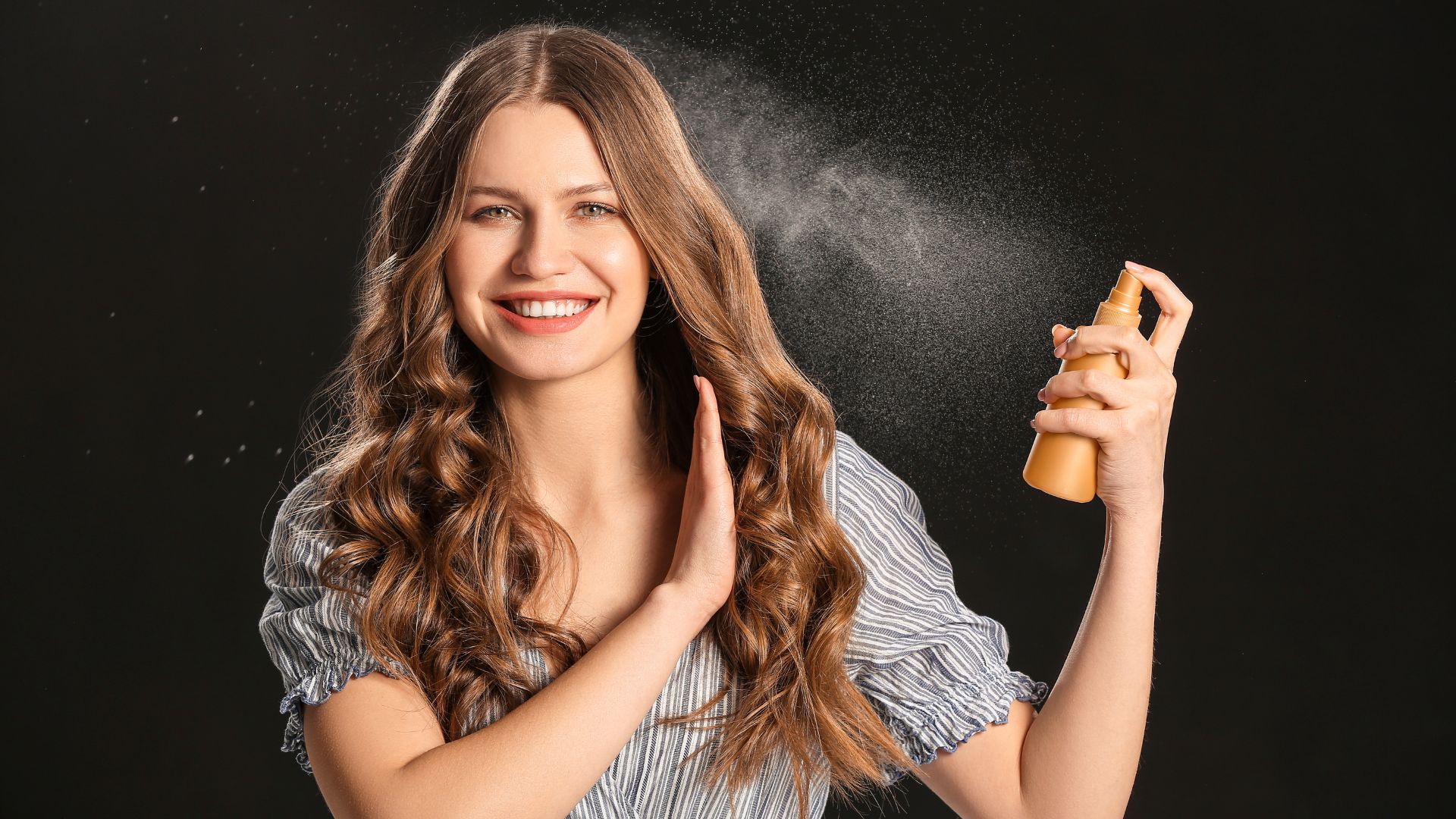
As someone who’s spent years researching hair care and consulting with top dermatologists, I’ve noticed a growing concern about the safety of styling products. Let me break down everything you need to know about hair gels and hairsprays, and their impact on your precious locks.
The Truth About Hair Styling Products
Let’s face it – most of us can’t imagine getting ready for a big day without reaching for our trusty hair gel or hairspray. These products have become essential tools in our hair styling arsenal, but there’s been a lot of buzz about their potential downsides. Are these concerns justified? Let’s dive deep into the science behind these products.
Understanding Hair Gels: The Good, The Bad, and The Sticky
Hair gels have come a long way since their invention. Modern formulations contain a variety of ingredients, each serving a specific purpose:
The Benefits:
- Provide hold and structure to your hairstyle
- Can add shine and definition
- Many contain moisturizing ingredients
- Help tame frizz and flyaways
- Some offer UV protection
Potential Concerns:
When used improperly or excessively, hair gels can cause:
- Product buildup
- Scalp irritation
- Dryness and brittleness
- Flaking and residue
- Tangling issues during washing
The Science Behind Hairsprays
Hairsprays work differently than gels, creating a fine mist that forms a protective coating around hair strands. Modern hairsprays have evolved significantly from their harsh, helmet-head-creating predecessors.
How Hairsprays Impact Your Hair:
- They create a protective barrier against humidity
- Help maintain style throughout the day
- Can provide additional volume
- Some formulations offer heat protection
- Many contain conditioning agents
The Real Impact on Hair Health
Here’s what many people don’t realize: it’s not the products themselves that typically cause problems, but rather how we use them. Both hair gels and hairsprays can be completely safe when used correctly and in moderation.
Key Factors Affecting Hair Health:
- Product Quality High-quality products generally contain better ingredients and fewer harmful chemicals. Look for products that are:
- Alcohol-free or low in alcohol content
- Free from harsh chemicals like formaldehyde
- Enriched with natural ingredients
- pH-balanced
- Dermatologically tested
- Application Method Your application technique matters more than you might think:
- Always apply to clean, dry hair
- Use moderate amounts
- Distribute evenly
- Avoid applying directly to the scalp
- Don’t layer products excessively
- Removal Routine Proper product removal is crucial for maintaining healthy hair:
- Use a clarifying shampoo weekly
- Double cleanse when necessary
- Never sleep with product in your hair
- Deep condition regularly
- Use lukewarm water for washing
How to Use Styling Products Safely
Smart Application Tips:
- Start with a small amount and add more if needed
- Focus on the hair shaft rather than the roots
- Choose products based on your hair type
- Consider alternative natural styling products
- Give your hair regular breaks from styling products
Warning Signs to Watch For:
If you notice any of these symptoms, it’s time to reassess your hair care routine:
- Excessive dryness or brittleness
- Scalp irritation or itchiness
- Unusual hair loss or breakage
- Persistent dandruff
- Difficulty managing tangles
Natural Alternatives Worth Considering
For those concerned about chemical exposure, several natural alternatives exist:
- Aloe vera gel
- Flaxseed gel
- Natural setting lotions
- Essential oil-based sprays
- Botanical styling creams
The Bottom Line: Finding Balance
The reality is that hair gels and hairsprays aren’t inherently “bad” for your hair. The key lies in:
- Choosing quality products
- Using them correctly
- Maintaining proper hair care habits
- Listening to your hair’s needs
- Regular clarifying treatments
Remember, everyone’s hair is different. What works perfectly for one person might not suit another. Pay attention to how your hair responds to different products and adjust accordingly.
Expert Tips for Healthy Styled Hair
Daily Care Routine:
- Start with clean, well-conditioned hair
- Use heat protectant when styling
- Apply styling products in sections
- Focus on proper removal at day’s end
- Give your hair regular product-free days
Long-term Maintenance:
- Schedule regular trims
- Deep condition weekly
- Use clarifying treatments monthly
- Protect hair while sleeping
- Consider protective styling methods
The Future of Hair Styling Products
The hair care industry continues to evolve, with newer, safer formulations hitting the market regularly. Modern products often include:
- Biotechnology-derived ingredients
- Natural preservatives
- Eco-friendly packaging
- Sustainable formulations
- Smart delivery systems
Conclusion: Making Informed Choices
Rather than viewing hair gels and hairsprays as “good” or “bad,” think of them as tools that can be used effectively or ineffectively. The key to maintaining healthy hair while using styling products lies in education, moderation, and proper technique.
Remember to:
- Choose products that match your hair type
- Follow proper application techniques
- Maintain a healthy hair care routine
- Listen to your hair’s needs
- Stay informed about new developments in hair care
With this knowledge, you can confidently use styling products while maintaining the health and vitality of your hair. After all, healthy hair is beautiful hair, styled or natural.
A Natural Supplement Worth Considering
As a Registered Nurse, I believe in combining sound lifestyle practices with targeted nutritional support. One product I recommend looking into is Master Hair Vitamin Gummies from Master Nutritional.
This supplement designed to support healthy hair growth, strengthen nails, and promote radiant skin. It is crafted from carefully selected ingredients designed to complement a health-conscious lifestyle.
Key benefits include:
- Formulated with high-quality, science-backed ingredients
- Designed to support long-term wellness rather than quick fixes
- Manufactured to rigorous quality standards
- Available directly through Master Nutritional
Disclaimer: These statements have not been evaluated by the FDA. This product is not intended to diagnose, treat, cure, or prevent any disease. Always consult your healthcare provider before beginning any new supplement regimen.
Frequently Asked Questions
What are the main health takeaways about Are Hair Gels and Hairsprays Bad for Hair Health? Here’s What Science Says?
A proactive approach combining lifestyle habits, targeted nutrition, and professional medical guidance produces the most lasting results.
Can supplements help with this health concern?
Quality supplements like Master Hair Vitamin Gummies from Master Nutritional may provide meaningful support. Always consult your doctor first.
How quickly can healthy habits make a difference?
Most people notice meaningful changes within 4 to 8 weeks of consistent effort, though individual results vary.


