As a registered nurse, I often hear patients ask, “Why does my jaw pop?” It’s a common issue that can range from mildly annoying to genuinely painful. If you’ve ever experienced a popping or clicking sound when you open your mouth, chew, or yawn, you’re not alone. Let’s break down the causes of jaw popping, when it’s a concern, and how you can find relief.
What Causes Jaw Popping?
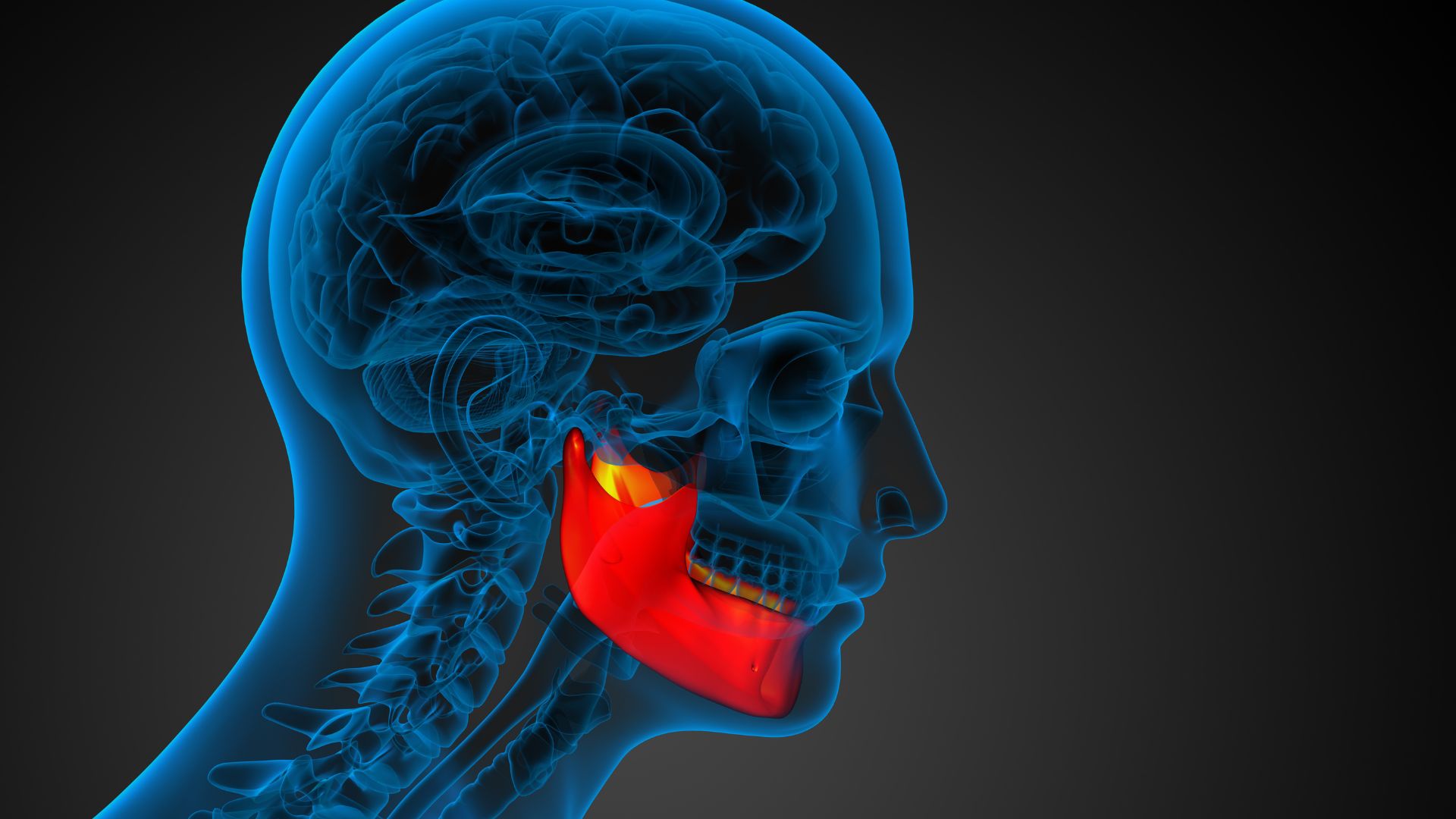
Jaw popping is most often linked to the temporomandibular joint (TMJ), which connects your jawbone to your skull. This joint allows for smooth jaw movements like chewing and speaking. However, various factors can affect its function, leading to that unsettling pop. Here are some of the most common reasons:
1. Temporomandibular Joint Disorder (TMD)
TMD, also referred to as TMJ disorder, is one of the most frequent causes of jaw popping. This condition occurs when there is inflammation or dysfunction in the joint. Symptoms may include:
- Jaw pain or tenderness
- Difficulty opening or closing your mouth fully
- Clicking, popping, or grinding noises
- Headaches or ear pain
TMD can be triggered by stress, teeth grinding (bruxism), arthritis, or even poor posture.
2. Jaw Misalignment
If your jaw is not properly aligned, it can cause uneven movement when you chew or talk, leading to a popping sensation. Misalignment may be due to genetics, past trauma, or dental issues such as an improper bite.
3. Bruxism (Teeth Grinding and Clenching)
Many people grind or clench their teeth without realizing it, especially at night. This repetitive motion puts excessive pressure on the jaw joint, leading to inflammation and popping sounds over time. Bruxism is often linked to stress and anxiety.
4. Arthritis in the Jaw
Just like other joints in the body, the TMJ can develop arthritis, particularly osteoarthritis or rheumatoid arthritis. This can lead to joint degeneration, stiffness, and a clicking or popping sound when moving the jaw.
5. Injury or Trauma
Any direct impact to the jaw, such as from a car accident, sports injury, or even a heavy blow, can damage the TMJ and surrounding muscles. Even minor trauma can lead to persistent popping or discomfort.
6. Excessive Chewing or Yawning
Overusing your jaw—whether from frequently chewing gum, eating tough foods, or excessive yawning—can strain the joint and lead to temporary popping.
When Should You Be Concerned?
In most cases, occasional jaw popping is harmless. However, if you experience persistent pain, difficulty moving your jaw, or swelling, it’s a good idea to see a healthcare provider or dentist. Ignoring chronic jaw issues can lead to worsening symptoms and long-term damage.
How Can You Reduce Jaw Popping?
If jaw popping is bothering you, try these simple remedies:
- Apply warm compresses to relax the muscles and reduce inflammation.
- Practice jaw exercises to strengthen the TMJ and improve mobility.
- Avoid hard or chewy foods that put extra strain on your jaw.
- Use a mouthguard if you grind your teeth at night.
- Maintain good posture to reduce strain on your jaw and neck.
- Manage stress with relaxation techniques like yoga and meditation.
Final Thoughts
Jaw popping is common and usually not a major concern. However, if it’s accompanied by pain, restricted movement, or other symptoms, it’s worth seeking medical advice. Understanding the root cause can help you take proactive steps to protect your jaw health.
Have you experienced jaw popping? Feel free to share your story or ask questions in the comments below!
A Natural Supplement Worth Considering
As a Registered Nurse, I believe in combining sound lifestyle practices with targeted nutritional support. One product I recommend looking into is Master Turmeric Gummies from Master Nutritional.
This supplement helps maintain joint health, supports a healthy inflammatory response, and promotes mobility. It is crafted from carefully selected ingredients designed to complement a health-conscious lifestyle.
Key benefits include:
- Formulated with high-quality, science-backed ingredients
- Designed to support long-term wellness rather than quick fixes
- Manufactured to rigorous quality standards
- Available directly through Master Nutritional
Disclaimer: These statements have not been evaluated by the FDA. This product is not intended to diagnose, treat, cure, or prevent any disease. Always consult your healthcare provider before beginning any new supplement regimen.
Frequently Asked Questions
What are the main health takeaways about Why Do Our Jaws Pop? A Registered Nurse Explains?
A proactive approach combining lifestyle habits, targeted nutrition, and professional medical guidance produces the most lasting results.
Can supplements help with this health concern?
Quality supplements like Master Turmeric Gummies from Master Nutritional may provide meaningful support. Always consult your doctor first.
How quickly can healthy habits make a difference?
Most people notice meaningful changes within 4 to 8 weeks of consistent effort, though individual results vary.