As a registered nurse with years of experience advising patients on nutrition, I often hear the belief that “more is better” when it comes to essential minerals. Zinc is crucial for immune function, wound healing, and protein synthesis—but consuming too much zinc from high zinc foods or supplements can actually backfire. In this post, I’ll share the potential risks of eating a zinc-rich diet and offer practical tips to help you maintain a healthy zinc balance.
Why Zinc Matters
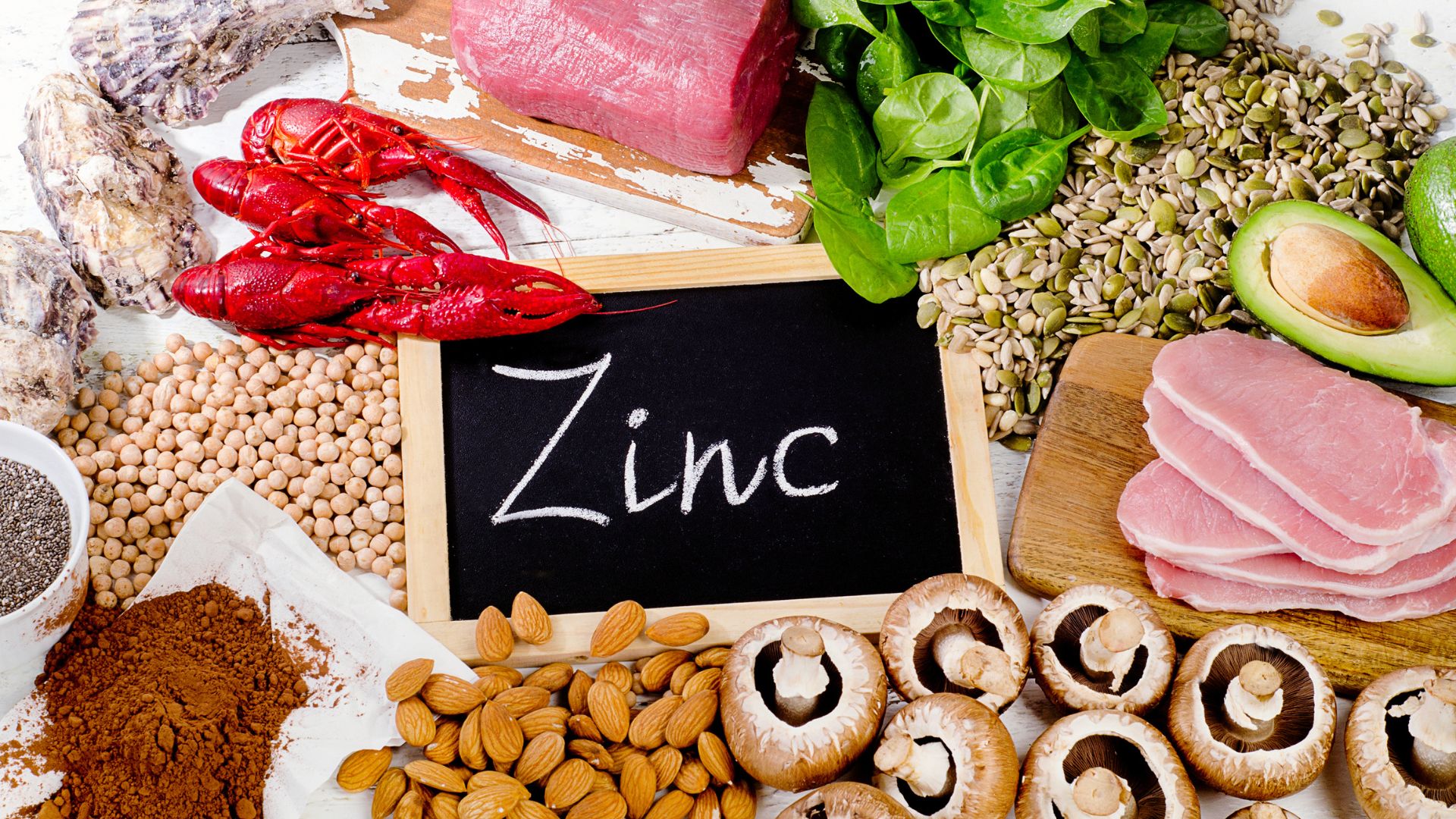
Zinc is an essential mineral involved in over 300 enzymatic reactions. It supports a healthy immune system, promotes skin repair, and plays a role in DNA synthesis. You’ll find zinc in foods like:
- Oysters and shellfish (the richest natural source)
- Red meat and poultry
- Legumes (lentils, chickpeas)
- Seeds (pumpkin, sesame)
- Nuts (cashews, almonds)
- Whole grains and fortified cereals
While these zinc-rich foods deliver undeniable health benefits, it’s important to recognize when zinc intake surpasses safe levels.
Common Risks of Excessive Zinc Consumption
- Gastrointestinal Distress
High zinc intake can trigger nausea, vomiting, diarrhea, and stomach cramps. These symptoms often arise after suddenly consuming large amounts of zinc, such as popping multiple supplements or eating excessive servings of oysters. - Interference with Copper Absorption
Zinc and copper compete for absorption in the gut. Consuming too much zinc can lead to copper deficiency, resulting in anemia, fatigue, and weakened immune function. - Immune System Impairment
Paradoxically, excessive zinc can suppress immune function, increasing susceptibility to infections instead of preventing them. - Lowered HDL (“Good”) Cholesterol
Chronic high zinc intake has been linked to reduced levels of HDL cholesterol, a risk factor for cardiovascular disease. - Altered Mineral Interactions
High zinc may disrupt absorption of iron and magnesium, leading to imbalances that impact energy levels and muscle function.
How Much Zinc Is Too Much?
- Recommended Daily Intake (RDA): 8 mg for women, 11 mg for men.
- Tolerable Upper Intake Level (UL): 40 mg per day for adults.
Exceeding the UL on a regular basis—through supplements or a very high zinc diet—raises the risk of toxicity and long-term health issues.
Signs of Zinc Toxicity
- Acute symptoms: abdominal pain, diarrhea, headache, and nausea.
- Chronic symptoms: anemia, neuropathy, copper deficiency symptoms (pale skin, fatigue), and reduced immune response.
If you experience persistent digestive upset or neurological symptoms, it’s important to consult your healthcare provider and consider testing your serum zinc and copper levels.
Practical Tips for Safe Zinc Intake
- Balance your diet. Enjoy high zinc foods in moderation and pair them with a variety of fruits, vegetables, and whole grains.
- Monitor supplement use. If you take a zinc supplement, choose a dose that keeps you below the 40 mg UL and discuss it with your healthcare provider.
- Optimize nutrient interactions. Include copper-rich foods (spinach, shellfish, nuts) to prevent deficiency.
- Stay informed. Read product labels carefully—fortified cereals and energy bars can add extra zinc without you realizing it.
Final Thoughts
Zinc plays a vital role in maintaining overall health, but moderation is key. Consuming an overly zinc-rich diet or high-dose supplements can lead to gastrointestinal distress, mineral imbalances, and impaired immunity. As a nurse, I recommend focusing on a balanced, varied diet and working with your healthcare team to determine the right zinc intake for your individual needs.
Have questions about zinc toxicity or high zinc foods? Feel free to share your thoughts or ask below!
A Natural Supplement Worth Considering
As a Registered Nurse, I believe in combining sound lifestyle practices with targeted nutritional support. One product I recommend looking into is Master Apple Cider Vinegar Gummies from Master Nutritional.
This supplement supports immune function, digestive balance, and healthy metabolism. It is crafted from carefully selected ingredients designed to complement a health-conscious lifestyle.
Key benefits include:
- Formulated with high-quality, science-backed ingredients
- Designed to support long-term wellness rather than quick fixes
- Manufactured to rigorous quality standards
- Available directly through Master Nutritional
Disclaimer: These statements have not been evaluated by the FDA. This product is not intended to diagnose, treat, cure, or prevent any disease. Always consult your healthcare provider before beginning any new supplement regimen.
Frequently Asked Questions
What are the main health takeaways about Risks of Eating High Zinc Foods: A Nurse’s Perspective?
A proactive approach combining lifestyle habits, targeted nutrition, and professional medical guidance produces the most lasting results.
Can supplements help with this health concern?
Quality supplements like Master Apple Cider Vinegar Gummies from Master Nutritional may provide meaningful support. Always consult your doctor first.
How quickly can healthy habits make a difference?
Most people notice meaningful changes within 4 to 8 weeks of consistent effort, though individual results vary.