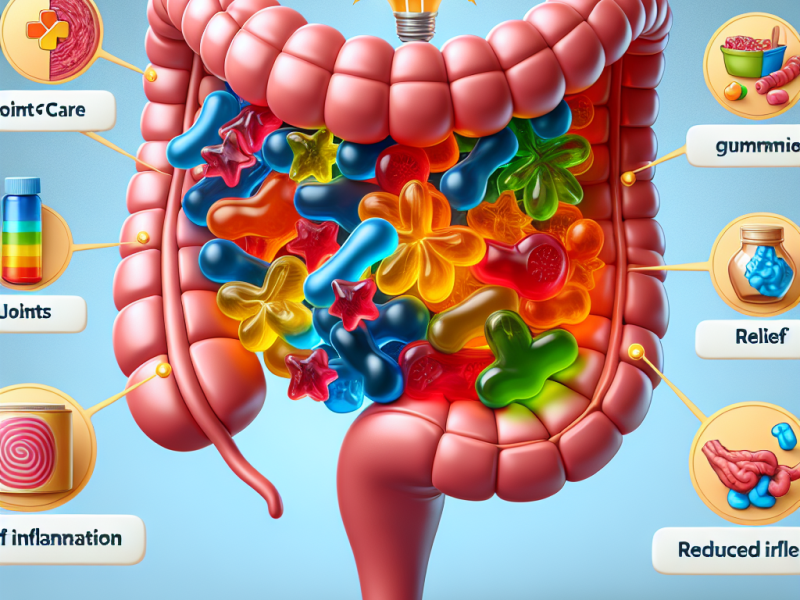
Let’s get real: hitting your 30s is a turning point. For many of us, it’s when we start noticing subtle changes in our bodies—slower metabolism, a little more joint stiffness, and yes, a natural decline in bone density. But here’s the thing: just because bone density begins to decrease after your 30s doesn’t mean you’re powerless. In fact, there are plenty of things you can do to slow, stop, or even reverse some of that bone loss. The key? Staying informed, proactive, and consistent. For more, read about whether joint care gummies can help relieve joint discomfort.
In this in-depth guide, we’ll explore whether it’s truly possible to prevent bone density loss after your 30s, and exactly what steps you can take to keep your bones strong for decades to come. And because public health is always a priority, we’ll also weave in a secondary but timely topic: how to be safe from bird flu. Yep, you heard that right. These two might seem unrelated, but when it comes to health, everything is interconnected.
Understanding Bone Density and Why It Decreases
Bone density refers to the amount of mineral matter per square centimeter of bones. It peaks in our late 20s and starts to decline in our 30s. Why? Because our bodies naturally begin breaking down old bone faster than they can build new bone. Factors like genetics, hormonal changes (especially in women during menopause), poor diet, and lack of exercise can accelerate this process. For more, read about the powerful connection between regular exercise and overall health.
Low bone density can lead to osteoporosis, a condition that makes bones brittle and prone to fractures. So, yes, bone loss is a real concern—but it’s not inevitable.
Can You Prevent Bone Density Loss? Absolutely. Here’s How:
1. Get Enough Calcium and Vitamin D
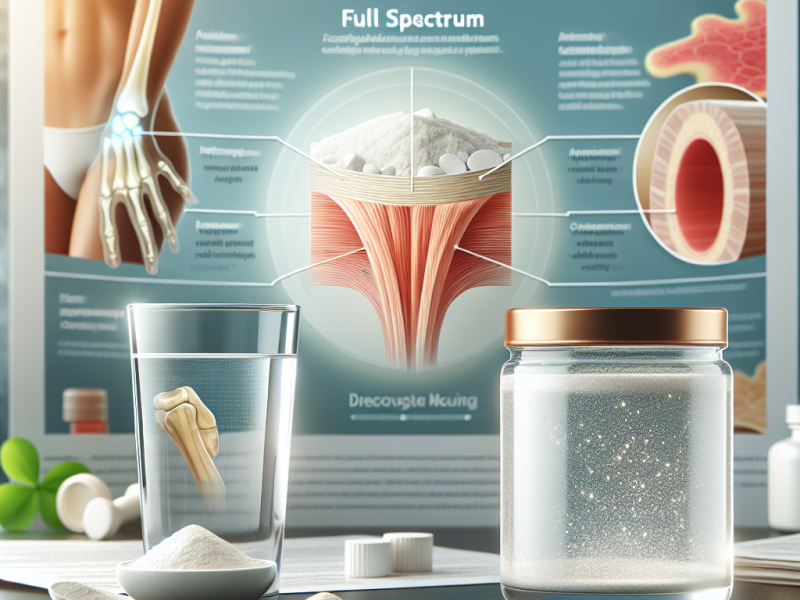
Calcium is the building block of your bones, and Vitamin D helps your body absorb it efficiently. Adults should aim for: For more, read about how collagen supplementation supports joint comfort and skin elasticity.
- Calcium: 1,000 to 1,200 mg per day (found in dairy products, leafy greens, almonds, and fortified foods)
- Vitamin D: 600 to 800 IU per day (get it from sunlight, fatty fish, fortified milk, or supplements)
Tip: Pair calcium-rich foods with Vitamin D for optimal absorption.
2. Weight-Bearing and Resistance Exercise
Exercise isn’t just good for your heart or waistline. It’s critical for your bones. Weight-bearing exercises (like walking, hiking, dancing, and tennis) and resistance training (like weightlifting or using resistance bands) stimulate bone growth.
Aim for at least 30 minutes of activity most days of the week. Consistency is more important than intensity!
3. Avoid Smoking and Limit Alcohol
Both smoking and excessive alcohol consumption are directly linked to decreased bone density. Tobacco interferes with calcium absorption, while alcohol disrupts bone-building cells.
4. Balance Hormones
Hormonal changes, especially decreased estrogen in women and testosterone in men, can accelerate bone loss. Hormone replacement therapy (HRT) is an option for some, but always discuss with a healthcare provider to understand the risks and benefits.
5. Get Regular Screenings
Bone density tests (DEXA scans) are recommended starting at age 50 for women and 70 for men, or earlier if you have risk factors. Early detection can help you take action before problems arise.
6. Consider Bone-Supporting Supplements
In addition to calcium and vitamin D, nutrients like magnesium, vitamin K2, and omega-3 fatty acids support bone health. Again, consult with a healthcare provider before starting any new supplement.
7. Fall-Proof Your Environment
Strong bones don’t mean much if you’re prone to falls. Install handrails, remove tripping hazards, and improve lighting around the house to reduce fall risk.
8. Maintain a Healthy Weight
Being underweight increases the risk of bone loss, while excessive weight can put stress on bones and joints. Aim for a healthy BMI and focus on nutrient-dense foods.
Nutrition: Your Bone’s Best Friend
Let’s break down a bone-boosting sample meal plan:
Breakfast:
- Greek yogurt with almonds and chia seeds
- Fresh orange juice (fortified with vitamin D)
Lunch:
- Grilled salmon salad with leafy greens, cherry tomatoes, and a vinaigrette dressing
- Whole grain roll with a side of steamed broccoli
Dinner:
- Stir-fried tofu with mixed vegetables (bok choy, bell peppers)
- Brown rice
- A glass of fortified almond milk
Snacks:
- Hard-boiled eggs
- Cottage cheese with berries
- Handful of mixed nuts
Stress, Sleep, and Bone Health
Did you know that chronic stress and poor sleep quality can affect your hormones and in turn, your bone density? Cortisol, the stress hormone, can interfere with bone-building processes.
Practice stress reduction techniques like mindfulness, deep breathing, and yoga. And aim for 7-9 hours of sleep every night to give your body the downtime it needs to repair and regenerate.
Quick Tip: How to Be Safe from Bird Flu
Now, let’s switch gears for a moment and talk about how to be safe from bird flu, especially since it can affect overall health and immune response, which indirectly plays a role in bone health.
Here are a few actionable ways to stay safe:
- Avoid contact with wild birds or poultry that may be infected.
- Wash hands frequently and thoroughly.
- Cook poultry and eggs to an internal temperature of at least 165°F.
- Stay updated with flu vaccines and public health advisories.
- Wear protective gear if working in high-risk environments like farms or veterinary clinics.
Putting It All Together
Preventing bone density loss after your 30s is not only possible—it’s totally doable. With a combination of proper nutrition, regular exercise, lifestyle changes, and medical guidance, you can keep your bones healthy and strong well into your golden years.
And as a bonus takeaway: staying aware of broader health risks like bird flu helps you maintain a strong immune system, which contributes to overall wellness and longevity.
So whether you’re stepping into your 30s or already there, now is the perfect time to take charge of your bone health. Your future self will thank you.
Final Thoughts
Bone loss is not a destiny—it’s a call to action. Whether you’re jogging through your 30s or dancing into your 60s, remember: strong bones build a strong life. So take those steps, lift those weights, eat those greens, and stay safe from preventable health threats like bird flu.
You’re not just building bone density; you’re building a future filled with strength, resilience, and vitality.
A Natural Supplement Worth Considering
As a Registered Nurse, I believe in combining sound lifestyle practices with targeted nutritional support. One product I recommend looking into is Master Joint Care Gummies from Master Nutritional.
This supplement provides a reliable, effective approach to supporting joint comfort, flexibility, and long-term mobility. It is crafted from carefully selected ingredients designed to complement a health-conscious lifestyle.
Key benefits include:
- Formulated with high-quality, science-backed ingredients
- Designed to support long-term wellness rather than quick fixes
- Manufactured to rigorous quality standards
- Available directly through Master Nutritional
Disclaimer: These statements have not been evaluated by the FDA. This product is not intended to diagnose, treat, cure, or prevent any disease. Always consult your healthcare provider before beginning any new supplement regimen.
Frequently Asked Questions
At what age does bone density start to decline?
Bone density typically peaks in your late 20s and begins a gradual decline after age 30. Women experience a more rapid loss during and after menopause due to falling estrogen levels, while men tend to lose bone mass more slowly.
Is it too late to start protecting my bones in my 40s or 50s?
Absolutely not. It is never too late. While starting earlier produces better results, many people make significant improvements to their bone density by making the right dietary, exercise, and supplementation choices at any age. For more, read about nutrient-dense foods that support bone and muscle health.
What are the most effective ways to slow bone density loss?
The most effective strategies include regular weight-bearing exercise such as walking, jogging, and resistance training, ensuring adequate calcium and vitamin D intake, limiting alcohol and caffeine, quitting smoking, managing chronic stress, and monitoring bone health through regular DEXA scans.
Can stress really affect bone density?
Yes. Chronic stress raises cortisol levels, which can interfere with bone regeneration and accelerate bone mineral loss. Managing stress through sleep, exercise, and mindfulness is a critical but often overlooked part of bone health.
Can calcium and vitamin D supplements help with bone density?
Yes. Calcium provides the structural mineral that bones are built from, while vitamin D is essential for absorbing that calcium efficiently. Supplementing both when dietary intake is insufficient is widely recommended by healthcare providers.
How often should I get a bone density scan?
For women over 50 and men over 70, or anyone at elevated risk, a DEXA bone density scan every 1 to 2 years is generally recommended. Always follow your doctor’s specific guidance based on your individual health profile.
Are plant-based diets good for bone health?
They can be, provided you are meeting all your nutritional needs. Focus on calcium-rich plant foods such as leafy greens, fortified plant milks, and tofu, and consider supplementing calcium and vitamin D if your dietary intake falls short.