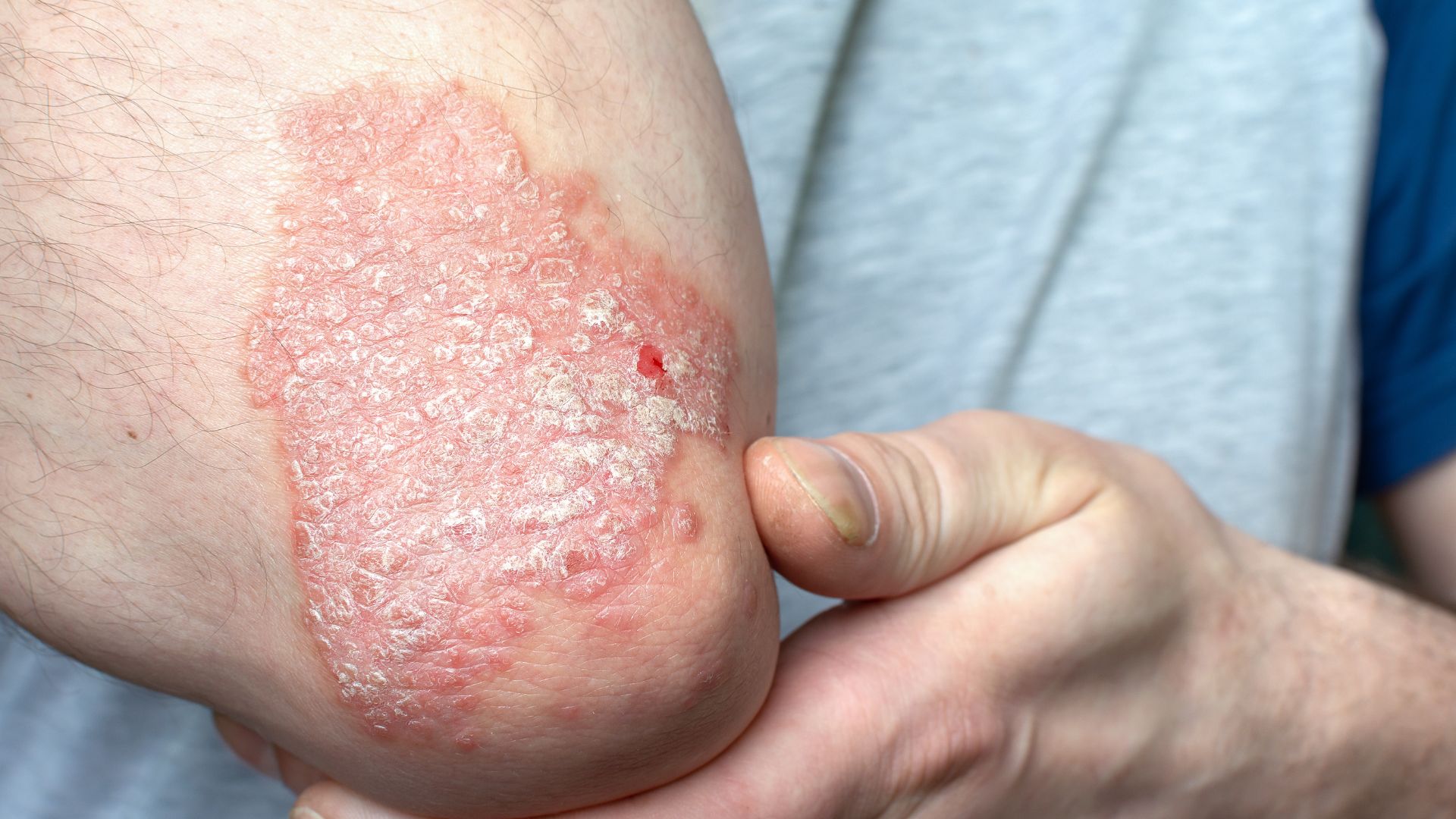
As someone who’s spent years helping people navigate skin conditions, I understand how challenging and frustrating psoriasis can be. Whether you’ve just been diagnosed or have been dealing with this condition for years, this comprehensive guide will walk you through practical steps to manage your symptoms and improve your quality of life.
Understanding Your Condition
Living with psoriasis means dealing with more than just skin issues – it’s a complex autoimmune condition that can affect your physical and emotional well-being. Your immune system essentially goes into overdrive, causing skin cells to multiply much faster than normal. This results in those characteristic red, scaly patches that can be both uncomfortable and distressing.
Types of Psoriasis You Should Know About
Different people experience psoriasis differently. The most common forms include:
- Plaque psoriasis – Those silvery-white scales you typically see in pictures
- Guttate psoriasis – Small, dot-like lesions that often appear after an infection
- Inverse psoriasis – Smooth red patches in body folds
- Pustular psoriasis – White pustules surrounded by red skin
- Erythrodermic psoriasis – A severe form that needs immediate medical attention
Immediate Steps for Psoriasis Relief
1. Establish a Solid Skincare Routine
Your skin needs extra TLC when you have psoriasis. Here’s what works:
Start with gentle, fragrance-free cleansers that won’t strip your skin. After showering (using lukewarm water, never hot), apply a thick moisturizer within three minutes. This “soak-and-seal” method helps lock in hydration when your skin is most receptive.
2. Identify and Manage Your Triggers
Psoriasis flares don’t happen randomly. Common triggers include:
- Stress (both emotional and physical)
- Cold, dry weather
- Certain medications
- Minor skin injuries
- Infections
- Alcohol consumption
- Smoking
Keep a symptom diary to track what sets off your flares. This information is gold when it comes to preventing future outbreaks.
Medical Treatment Options
Topical Treatments
These are usually the first line of defense:
- Corticosteroids for reducing inflammation
- Vitamin D analogues to slow skin cell growth
- Retinoids to help with cell turnover
- Coal tar to reduce scaling and itching
Systemic Medications
For moderate to severe cases, your doctor might recommend:
- Biologics that target specific parts of the immune system
- Oral medications like methotrexate or cyclosporine
- Newer options like PDE4 inhibitors
Lifestyle Changes That Make a Difference
1. Diet Modifications
While there’s no “psoriasis diet,” certain foods may help reduce inflammation:
- Omega-3 rich foods (fatty fish, walnuts, flaxseeds)
- Colorful fruits and vegetables
- Whole grains
- Lean proteins
Consider reducing:
- Processed foods
- Red meat
- Dairy products
- Nightshade vegetables (if you notice they trigger flares)
2. Stress Management
Since stress is a major trigger, finding effective ways to manage it is crucial:
- Regular exercise (bonus: it also reduces inflammation!)
- Meditation or mindfulness practices
- Adequate sleep (aim for 7-9 hours)
- Joining support groups
- Professional counseling if needed
Natural Remedies Worth Trying
While these shouldn’t replace prescribed treatments, many find relief with:
- Aloe vera gel for its soothing properties
- Dead Sea salt baths
- Tea tree oil (diluted appropriately)
- Turmeric supplements for their anti-inflammatory effects
When to See Your Doctor
Don’t hesitate to seek medical help if you experience:
- Severe pain or swelling
- Joint problems
- Signs of infection
- Widespread redness and peeling
- Emotional distress affecting daily life
Building Your Support System
Living with psoriasis can feel isolating, but you’re not alone. Consider:
- Joining the National Psoriasis Foundation
- Finding local support groups
- Connecting with online communities
- Being open with friends and family about your needs
Looking Ahead: Latest Research and Treatments
The field of psoriasis treatment is constantly evolving. Stay informed about:
- New biological treatments
- Emerging natural therapies
- Clinical trials you might be eligible for
- Advanced light therapy options
Practical Daily Tips
- Wear loose, cotton clothing
- Use soft, white cotton towels
- Keep your nails short to prevent scratching damage
- Apply moisturizer throughout the day
- Protect your skin from sun damage
- Stay hydrated
Remember, managing psoriasis is a journey, not a sprint. What works for one person might not work for another, so be patient as you find your optimal combination of treatments and lifestyle changes. With the right approach and support, you can take control of your condition and live a full, active life.
By staying informed, working closely with your healthcare providers, and making positive lifestyle changes, you can effectively manage your psoriasis and minimize its impact on your daily life. Don’t let psoriasis define you – it’s just one part of who you are, not your whole story.
A Natural Supplement Worth Considering
As a Registered Nurse, I believe in combining sound lifestyle practices with targeted nutritional support. One product I recommend looking into is Master Hair Vitamin Gummies from Master Nutritional.
This supplement designed to support healthy hair growth, strengthen nails, and promote radiant skin. It is crafted from carefully selected ingredients designed to complement a health-conscious lifestyle.
Key benefits include:
- Formulated with high-quality, science-backed ingredients
- Designed to support long-term wellness rather than quick fixes
- Manufactured to rigorous quality standards
- Available directly through Master Nutritional
Disclaimer: These statements have not been evaluated by the FDA. This product is not intended to diagnose, treat, cure, or prevent any disease. Always consult your healthcare provider before beginning any new supplement regimen.
Frequently Asked Questions
What are the main health takeaways about Living with Psoriasis: A Complete Guide to Management and Relief?
A proactive approach combining lifestyle habits, targeted nutrition, and professional medical guidance produces the most lasting results.
Can supplements help with this health concern?
Quality supplements like Master Hair Vitamin Gummies from Master Nutritional may provide meaningful support. Always consult your doctor first.
How quickly can healthy habits make a difference?
Most people notice meaningful changes within 4 to 8 weeks of consistent effort, though individual results vary.