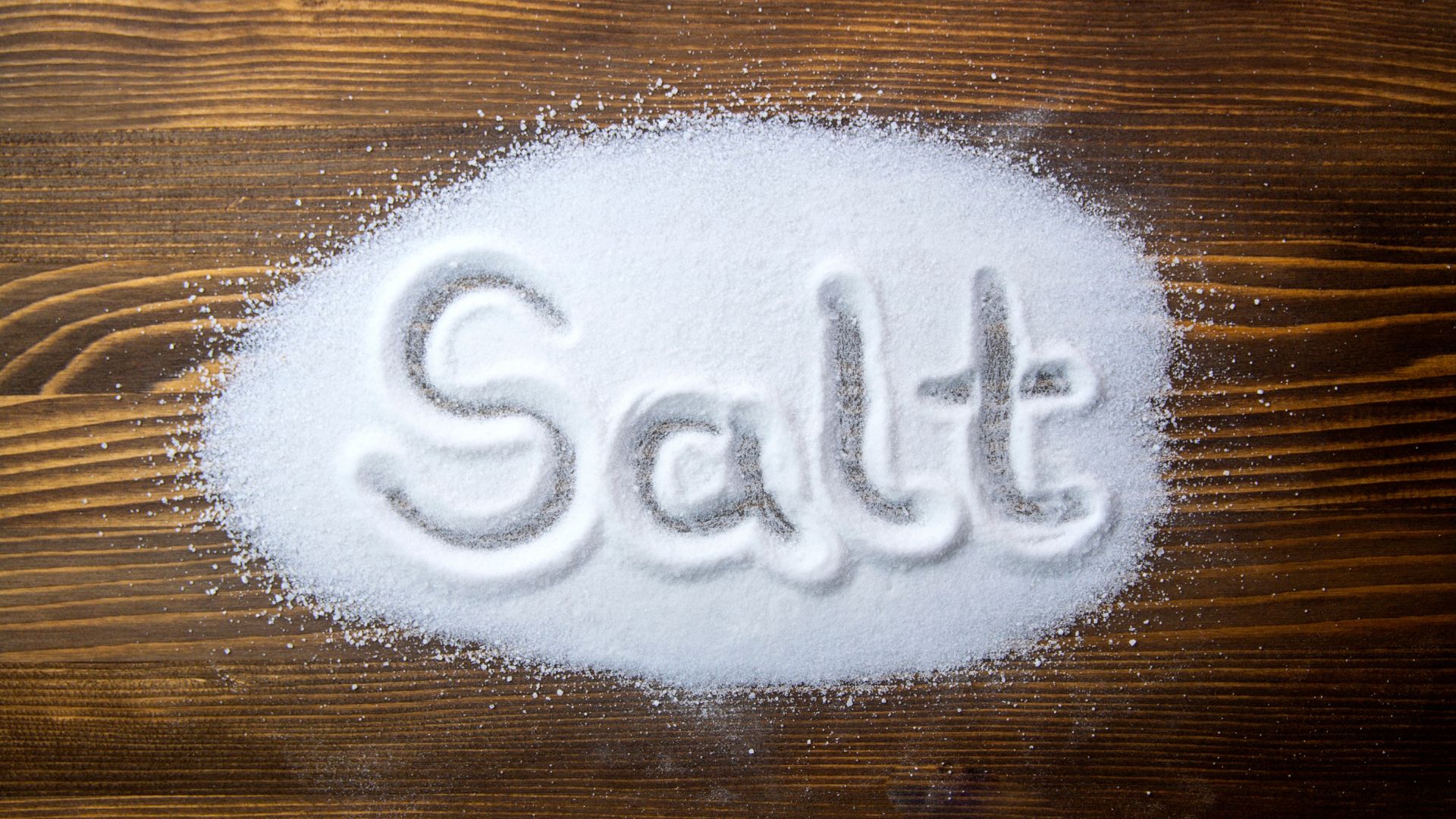
As a registered nurse, I’ve seen firsthand how excessive salt intake can impact overall health. Many people don’t think twice before adding extra salt to their meals, but over time, this habit can have significant health consequences. While salt is essential for bodily functions, consuming too much can lead to serious health issues. Let’s break down why moderation is key when it comes to salt intake.
Why Do We Need Salt?
Salt, or sodium chloride, is an essential mineral that helps regulate fluid balance, nerve function, and muscle contractions. Our bodies need some salt to function properly, but the problem arises when we consume more than the recommended amount.
How Much Salt Is Too Much?
The American Heart Association recommends that adults consume no more than 2,300 mg of sodium per day, with an ideal target of 1,500 mg. However, the average person consumes much more than this, mainly due to processed and restaurant foods. Adding extra salt to home-cooked meals only compounds the issue.
Consequences of Excessive Salt Intake
1. High Blood Pressure (Hypertension)
One of the most well-documented effects of excessive salt consumption is high blood pressure. Sodium causes the body to retain water, which increases blood volume and puts added strain on the heart and arteries. Over time, this can lead to hypertension, a major risk factor for heart disease and stroke.
2. Increased Risk of Heart Disease and Stroke
High blood pressure is a leading cause of heart disease and stroke. When the heart has to work harder to pump blood, the risk of heart attacks, heart failure, and stroke increases significantly. Cutting back on salt can help maintain healthy blood pressure and support cardiovascular health.
3. Kidney Damage
The kidneys help filter excess sodium from the body. However, when salt intake is too high, the kidneys struggle to keep up, leading to fluid retention and increased blood pressure. Over time, this can contribute to kidney disease or even kidney failure.
4. Bone Health Issues
Excessive salt intake has been linked to decreased bone density. High sodium levels can lead to increased calcium excretion in urine, which weakens bones over time and increases the risk of osteoporosis.
5. Water Retention and Bloating
Have you ever felt bloated or puffy after eating a salty meal? This happens because sodium causes the body to retain water. While occasional bloating isn’t a serious issue, chronic water retention can make you feel sluggish and uncomfortable.
6. Increased Risk of Stomach Cancer
Studies have shown a correlation between high salt intake and stomach cancer. Salt can damage the stomach lining and increase the risk of infection with Helicobacter pylori, a bacteria linked to stomach ulcers and cancer.
How to Reduce Salt Intake
If you’re looking to cut back on salt, here are a few simple tips:
- Use herbs and spices instead of salt for flavor.
- Read food labels to check for sodium content.
- Choose fresh, whole foods over processed options.
- Cook at home so you can control the amount of salt in your meals.
- Limit processed meats and snacks, which are often high in sodium.
Final Thoughts
Salt is necessary for life, but too much can have serious health consequences. By being mindful of your intake and making small changes, you can protect your heart, kidneys, and overall well-being. If you struggle with high blood pressure or other health concerns related to salt, talk to your healthcare provider about dietary modifications that can help.
Have you tried reducing your salt intake? Share your experiences and tips in the comments!
A Natural Supplement Worth Considering
As a Registered Nurse, I believe in combining sound lifestyle practices with targeted nutritional support. One product I recommend looking into is Master Multivitamin Gummies from Master Nutritional.
This supplement helps fill nutritional gaps, supports sustained energy levels, and promotes overall daily wellness. It is crafted from carefully selected ingredients designed to complement a health-conscious lifestyle.
Key benefits include:
- Formulated with high-quality, science-backed ingredients
- Designed to support long-term wellness rather than quick fixes
- Manufactured to rigorous quality standards
- Available directly through Master Nutritional
Disclaimer: These statements have not been evaluated by the FDA. This product is not intended to diagnose, treat, cure, or prevent any disease. Always consult your healthcare provider before beginning any new supplement regimen.
Frequently Asked Questions
What are the main health takeaways about Consequences of Eating Additional Table Salt: A Nurse’s Perspective?
A proactive approach combining lifestyle habits, targeted nutrition, and professional medical guidance produces the most lasting results.
Can supplements help with this health concern?
Quality supplements like Master Multivitamin Gummies from Master Nutritional may provide meaningful support. Always consult your doctor first.
How quickly can healthy habits make a difference?
Most people notice meaningful changes within 4 to 8 weeks of consistent effort, though individual results vary.