As a registered nurse, one of the most important topics I educate families about—especially during the colder months—is carbon monoxide poisoning. A question I often hear is: “What does carbon monoxide smell like?” It’s a vital question, and the answer may surprise you.
The Simple Truth: Carbon Monoxide Has No Smell
Carbon monoxide (CO) is often called the “silent killer” for a reason. It is: ✔️ Odorless
✔️ Colorless
✔️ Tasteless
This means carbon monoxide has no smell—you can’t detect it with your senses. Unlike natural gas, which has a distinct sulfur-like odor added for detection, carbon monoxide gives no warning signs through smell or appearance. That’s what makes it so dangerous.
What Makes Carbon Monoxide So Dangerous?
Carbon monoxide is produced when fuel-burning appliances—like furnaces, gas stoves, water heaters, or fireplaces—don’t burn fuel completely. In small, enclosed spaces, CO can quickly build up to dangerous levels. When inhaled, it replaces oxygen in your blood, leading to carbon monoxide poisoning, which can be fatal.
Symptoms of Carbon Monoxide Poisoning
Since you can’t smell carbon monoxide, it’s essential to recognize the early warning signs of exposure. Common symptoms include: ✔️ Headache ✔️ Dizziness or confusion ✔️ Nausea or vomiting ✔️ Shortness of breath ✔️ Fatigue and weakness ✔️ Chest pain ✔️ Blurred vision ✔️ Loss of consciousness
Symptoms often resemble the flu but without a fever. In severe cases, carbon monoxide poisoning can lead to brain damage, coma, or death—especially when people are sleeping and unaware.
How to Detect Carbon Monoxide at Home
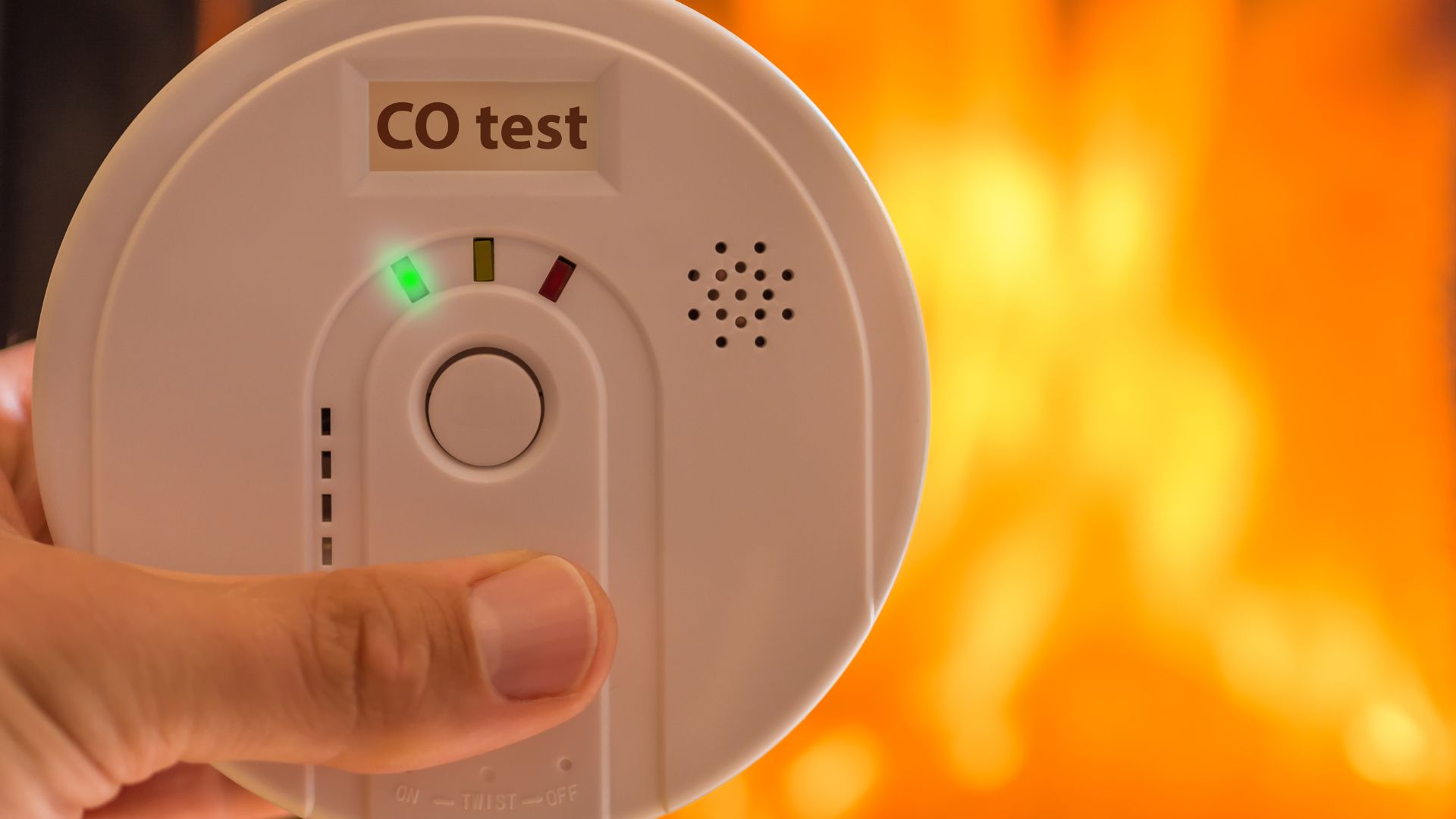
Since carbon monoxide cannot be detected by smell, installing a carbon monoxide detector is the only reliable way to identify its presence. Here’s what you should do: ✔️ Place detectors near bedrooms and on every level of your home. ✔️ Test detectors monthly and replace batteries at least once a year. ✔️ Replace the entire unit every 5–7 years, depending on the manufacturer’s instructions.
Preventing Carbon Monoxide Exposure
As a nurse, I recommend taking the following steps to reduce your risk of carbon monoxide poisoning: ✔️ Never use gas ovens or charcoal grills to heat your home. ✔️ Have fuel-burning appliances inspected annually by a certified technician. ✔️ Keep vents and chimneys clear of debris. ✔️ Avoid running your car in a closed garage. ✔️ Use generators outdoors, at least 20 feet from windows and doors.
What to Do If You Suspect CO Exposure
If you or someone in your home shows symptoms of carbon monoxide poisoning: ⚠️ Leave the area immediately and go outdoors. ⚠️ Call 911 or your local emergency services. ⚠️ Do not re-enter the home until it’s been declared safe by professionals.
Final Thoughts
To answer the question simply: Carbon monoxide has no smell. That’s why it’s crucial to take preventive measures and install detectors in your home. Being proactive can save lives—your own and your loved ones’. As always, stay informed and stay safe.
Have more questions about carbon monoxide safety? Feel free to ask below!
A Natural Supplement Worth Considering
As a Registered Nurse, I believe in combining sound lifestyle practices with targeted nutritional support. One product I recommend looking into is Master Elderberry with Vitamin C from Master Nutritional.
This supplement supports immune defense, helps the body respond to seasonal challenges, and promotes respiratory wellness. It is crafted from carefully selected ingredients designed to complement a health-conscious lifestyle.
Key benefits include:
- Formulated with high-quality, science-backed ingredients
- Designed to support long-term wellness rather than quick fixes
- Manufactured to rigorous quality standards
- Available directly through Master Nutritional
Disclaimer: These statements have not been evaluated by the FDA. This product is not intended to diagnose, treat, cure, or prevent any disease. Always consult your healthcare provider before beginning any new supplement regimen.
Frequently Asked Questions
What are the main health takeaways about What Does Carbon Monoxide Smell Like? A Nurse’s Perspective?
A proactive approach combining lifestyle habits, targeted nutrition, and professional medical guidance produces the most lasting results.
Can supplements help with this health concern?
Quality supplements like Master Elderberry with Vitamin C from Master Nutritional may provide meaningful support. Always consult your doctor first.
How quickly can healthy habits make a difference?
Most people notice meaningful changes within 4 to 8 weeks of consistent effort, though individual results vary.