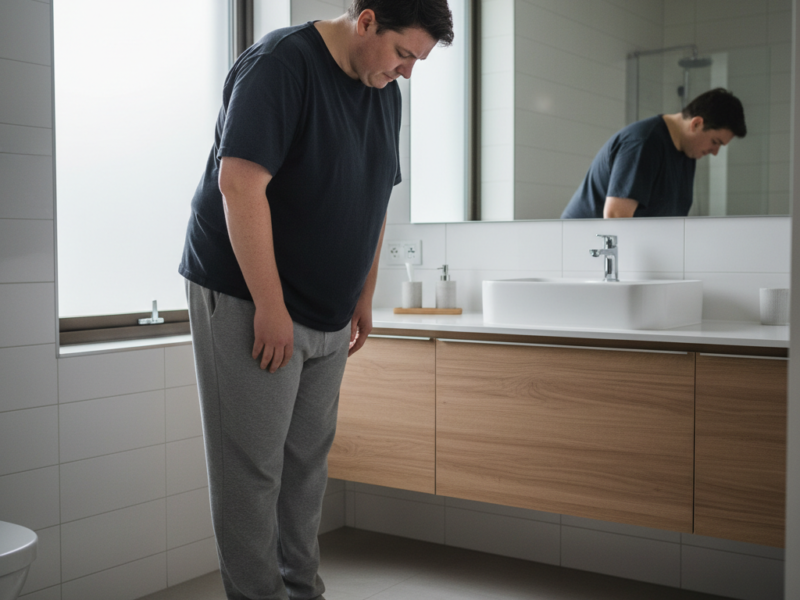
Do you ever feel like you catch every single bug that goes around the office or your kid’s classroom? One week it’s a nagging cough, the next it’s a full-blown cold, and you’re left feeling drained and wondering why you just can’t seem to stay well. As a registered nurse, I’ve spoken with countless patients who feel this exact way. They feel stuck in a cycle of sickness and fatigue, and they often worry that something is wrong. While occasional illness is a normal part of life, a pattern of constant health struggles can be your body’s way of sending a message. These can be important weak immune system symptoms, and learning to recognize them is the first step toward reclaiming your health and vitality. Let’s explore these signals together and talk about what you can do to support your body’s natural defenses. Learn more in our guide on Discover the Health Benefits of Eating Wild Berries: Insights from a Renowned RN.
Understanding Your Immune System
Before we dive into the warning signs, I think it’s helpful to understand what your immune system actually is and what it does. Think of it as your body’s personal, highly intelligent security team. It’s not one single organ but a complex and interconnected network of cells, tissues, and organs that work in harmony to protect you from harmful invaders like bacteria, viruses, fungi, and other pathogens. This team is on duty 24/7, constantly patrolling and ready to neutralize threats before they can cause significant harm. Learn more in our guide on Causes of Constant Constipation: Insights from a Renowned RN.
Your immune system has two main branches. First, there’s the innate immune system, which is your body’s first line of defense. It’s the rapid-response unit that you’re born with. It includes physical barriers like your skin and mucous membranes, as well as specialized white blood cells that attack any foreign invader they encounter. Then there’s the adaptive immune system, which is more like a special operations team. It’s smarter and has a memory. When you’re exposed to a specific pathogen, like the chickenpox virus, your adaptive immune system creates antibodies and memory cells. This way, if you ever encounter that same virus again, your body can mount a swift and targeted attack to prevent you from getting sick. It’s a truly remarkable system. Learn more in our guide on Is It Possible to Prevent the Decreasing of Bone Density After Your 30s?.
When we talk about a “weak” or “compromised” immune system, we’re referring to a state where this security team isn’t functioning at its peak. This doesn’t always mean you have a serious, diagnosed immunodeficiency disorder, though that can be the case for some. More often, for the general population, it means the system is overworked, under-resourced, or suppressed by lifestyle factors, leaving you more vulnerable to infections and illness.
Signs and Symptoms You Should Not Ignore
Your body is an incredible communicator, and when your immune system is struggling, it will send out signals. The key is learning to listen. Some of these signs might seem minor on their own, but when they form a pattern, they paint a clearer picture of your immune health.
You’re Always Catching a Cold
It’s perfectly normal for a healthy adult to catch two or three colds per year. We’re constantly exposed to viruses, and our immune system does a great job fighting most of them off. However, if you feel like you’re constantly battling a runny nose, sore throat, or cough, it might be a sign that your immune defenses are low. If you’re reaching for the cold medicine more than four times a year or if your colds seem to linger for weeks on end, your immune system may be having a hard time keeping up. It’s working, but it’s struggling to win the fight efficiently.
Your Wounds Heal Slowly
Have you ever noticed that a simple paper cut or a scrape on your knee seems to take forever to heal? Your immune system plays a critical role in the wound healing process. When you get a cut, your body sends nutrient-rich blood to the site to help regenerate new tissue. This process relies on healthy immune cells. A strong immune response helps protect the wound from infection and manages inflammation, which is a necessary part of healing. If your immune system is sluggish, this entire process slows down. Wounds may remain open longer, making them more susceptible to infection, and the healing itself can be delayed. Learn more in our guide on Discover the Surprising Health Benefits of Horseradish: Insights from an RN.
You Have Frequent Infections
This goes beyond just the common cold. A compromised immune system can lead to a higher frequency of other types of infections. Are you someone who needs more than two courses of antibiotics a year? Perhaps you struggle with recurrent sinus infections that just won’t quit, chronic ear infections, or bouts of bronchitis that seem to come out of nowhere. These repeated battles are a significant red flag. It indicates that your body’s defense mechanisms are being overwhelmed and are unable to effectively stop pathogens from taking hold and multiplying.
You Feel Tired All the Time
Of course, we all feel tired sometimes. A busy week at work or a few nights of poor sleep can leave anyone feeling drained. But the fatigue associated with a struggling immune system is different. It’s a deep, persistent exhaustion that doesn’t seem to go away, even with adequate rest. Think about it: when your immune system is constantly in a low-grade state of alert, fighting off unseen invaders, it consumes a tremendous amount of energy. Your body is diverting resources to fuel its defense forces, leaving very little for your daily activities. This can result in a feeling of being perpetually worn out, which is one of the most common yet overlooked signs of a weak immune system.
You’re Experiencing Tummy Troubles
The connection between gut health and immunity is one of the most exciting areas of medical research today. A significant portion, some estimates suggest up to 70%, of your immune tissue is located in your gastrointestinal tract. The trillions of beneficial bacteria living in your gut, known as your microbiome, play a direct role in regulating your immune response. If you suffer from frequent diarrhea, gas, bloating, or constipation, it could be a sign that the balance of your gut bacteria is off. This imbalance, or dysbiosis, can directly impact your immune system’s ability to function properly, making you more susceptible to illness.
What the Science Says
The link between our daily habits and immune function isn’t just anecdotal; it’s backed by a growing body of scientific evidence. Our lifestyle choices create the environment in which our immune cells either thrive or struggle. For example, chronic psychological stress, something many of us experience, has been shown to have a tangible, negative impact on our defenses.
When you’re under constant stress, your body produces an excess of the hormone cortisol. In the short term, cortisol can actually be anti-inflammatory and helpful. However, as the National Institutes of Health (NIH) explains, prolonged or chronic stress can lead to dysregulation in the immune system. Essentially, your body becomes so accustomed to the high levels of cortisol that it starts to ignore its signals, which can lead to increased inflammation and a reduced ability to fight off viruses. This is the physiological reason why you might find yourself getting sick after a particularly stressful period at work or in your personal life.
Another critical factor is sleep. We often treat sleep as a luxury, but from an immunological perspective, it is a necessity. While you sleep, your immune system is incredibly active. It releases protective proteins called cytokines, some of which help promote sleep. Certain cytokines need to increase when you have an infection or inflammation. As the Centers for Disease Control and Prevention (CDC) points out, sleep deprivation can decrease the production of these protective cytokines and infection-fighting antibodies. This means that people who don’t get enough quality sleep are more likely to get sick after being exposed to a virus. It also affects how fast you recover if you do get sick.
Practical Steps You Can Take Today
Hearing all this might feel a bit overwhelming, but the good news is that you have a tremendous amount of power to support your immune system. It’s not about finding a magic pill or a quick fix; it’s about building a foundation of healthy habits that allow your body to do its job effectively.
Prioritize a Nutrient-Rich Diet
Food is medicine. What you eat provides the building blocks for every single cell in your body, including your immune cells. Focus on a diet rich in whole, unprocessed foods. Think colorful fruits and vegetables, which are packed with antioxidants, vitamins, and minerals. Vitamin C (found in citrus fruits, bell peppers, and broccoli), Vitamin D (from fatty fish, fortified milk, and sunlight), and Zinc (in lean meats, beans, and seeds) are particularly important for immune function. Also, incorporate lean proteins and healthy fats, which are essential for repairing tissue and producing antibodies. Reducing your intake of sugar and processed foods can also help, as these can promote inflammation and put extra stress on your system.
Make Sleep a Non-Negotiable
As we just discussed, sleep is when your immune system recharges and repairs. Aim for 7 to 9 hours of quality sleep each night. To improve your sleep hygiene, try to establish a consistent sleep schedule, even on weekends. Create a relaxing bedtime routine, such as taking a warm bath, reading a book, or practicing some gentle stretching. Make your bedroom a sanctuary for sleep: keep it dark, quiet, and cool, and try to avoid screens for at least an hour before you turn in for the night.
Move Your Body Regularly
Moderate, regular exercise is a fantastic way to boost your immune system. Physical activity can improve circulation, allowing your immune cells and other infection-fighting molecules to travel through your body more easily. It can also help reduce stress and inflammation. Aim for about 30 minutes of moderate activity, like a brisk walk, a bike ride, or a dance class, most days of the week. It’s important to find a balance, however. Overtraining or excessively intense exercise can actually suppress the immune system, so listen to your body and give it time to recover.
Manage Your Stress Levels
Since chronic stress can weaken your defenses, finding healthy ways to manage it is crucial. This will look different for everyone. For some, it might be a daily mindfulness or meditation practice. For others, it could be deep breathing exercises, yoga, spending time in nature, or listening to calming music. Connecting with friends and loved ones is also a powerful stress-reliever. The key is to find what works for you and to incorporate it into your daily routine, even if it’s just for a few minutes each day.
When to See a Healthcare Provider
While lifestyle changes can make a huge difference, it’s also important to recognize when you need to seek professional medical advice. Self-care is wonderful, but it is not a substitute for a proper diagnosis from a healthcare provider. If your symptoms are severe, persistent, or causing you significant distress, it’s time to make an appointment.
Please see your doctor or nurse practitioner if you experience any of the following:
- You have recurrent, severe infections that are difficult to treat.
- You have been diagnosed with pneumonia more than once.
- You need to be on antibiotics several times a year to clear infections.
- You have a family history of primary immunodeficiency disorders.
- Your fatigue is debilitating and significantly impacts your ability to work or enjoy your life.
These could be signs of an underlying medical condition that requires specific treatment. A healthcare provider can run tests, evaluate your overall health, and help you get to the root cause of your symptoms.
Final Thoughts
Your immune system is your steadfast protector, but it needs your help to stay strong. Paying attention to the signals your body sends, like frequent colds, slow-healing wounds, and persistent fatigue, is the first and most important step. By nourishing your body with healthy food, prioritizing rest, moving regularly, and managing stress, you can provide your internal security team with the resources it needs to protect you effectively. Remember to be patient and kind to yourself. Building a resilient immune system is a marathon, not a sprint. It’s about making small, consistent choices every single day that add up to a healthier, more vibrant you.
In health,
RN. Julia Weiss Khan
A Supplement Worth Discussing With Your Healthcare Provider
One product worth exploring is Master Elderberry with Vitamin C from Master Nutritional. This supplement supports immune defense, helps the body respond to seasonal challenges, and promotes respiratory wellness.
- Formulated with science-backed, high-quality ingredients
- Designed to support long-term wellness goals
- Available at masternutritional.com
These statements have not been evaluated by the Food and Drug Administration. This product is not intended to diagnose, treat, cure, or prevent any disease. Always consult your physician before starting any supplement.
Frequently Asked Questions
How can I tell if my frequent colds are a sign of a weak immune system or just bad luck?
It’s a great question, as everyone gets sick occasionally. However, if you’re an adult experiencing more than four colds per year or if your illnesses seem to linger much longer than they should, it could be a sign your immune system needs more support. Consistently feeling under the weather is your body’s way of telling you it’s struggling to keep up.
Besides getting sick often, are there less obvious signs my immune system might be struggling?
Absolutely, some signals are more subtle. Persistent fatigue that isn’t resolved with sleep, slow-healing wounds, and frequent digestive issues like constipation or diarrhea can all indicate your immune defenses are compromised. These issues can mean your body’s resources are being diverted to fight chronic low-grade inflammation.
I’ve been under a lot of stress lately and feel run down. Can stress really weaken my immune system?
Yes, long-term stress can definitely take a toll on your immune defenses. It can decrease your body’s supply of lymphocytes, the white blood cells that fight infection, making you more vulnerable to viruses. This is why finding healthy ways to manage stress, like gentle exercise or deep breathing, is so important for staying well.
What are the most important lifestyle changes I can make right now to give my immune system a boost?
Focusing on the fundamentals is your best bet for a quick and effective impact. Prioritize getting 7 to 8 hours of quality sleep each night, as this is when your body repairs itself and creates important immune cells. Also, aim for a balanced diet rich in colorful fruits and vegetables to get the vitamins and antioxidants your immune system needs to function.
Are over-the-counter supplements like Vitamin C and Zinc actually helpful, or should I just focus on my diet?
While a food-first approach is always best, certain supplements can be a helpful safety net. For instance, Vitamin D is difficult to get from food alone, and a zinc lozenge taken at the first sign of a cold may help shorten its duration. It’s always a good idea to chat with your doctor or pharmacist before starting new supplements to ensure they are right for you.