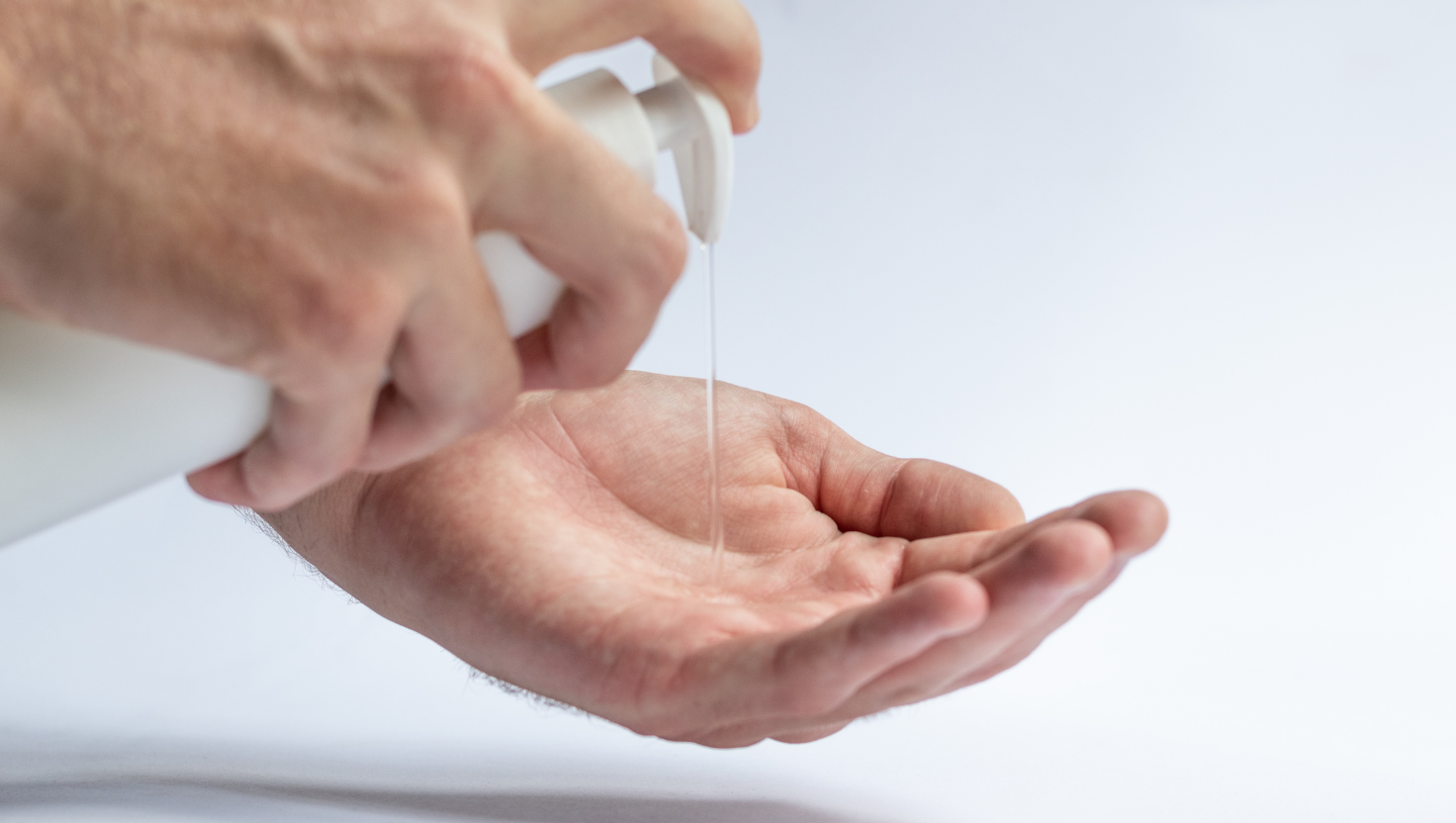
As a registered nurse with over two decades of experience in clinical practice, I’ve seen firsthand the benefits of topical anesthetics. One such popular product is Jesocaine Gel, a local anesthetic widely used for minor procedures, dental work, and topical pain relief. While Jesocaine Gel can provide effective pain control when used correctly, overusing Jesocaine Gel carries several serious risks. In this post, I’ll outline the risks of overusing Jesocaine Gel, share safe usage guidelines, and highlight essential Jesocaine Gel side effects you need to know.
Understanding Jesocaine Gel
Jesocaine Gel (also known as mepivacaine-based topical gel) is a topical analgesic and local anesthetic formulated to numb skin or mucosal surfaces. It’s commonly applied before injections, minor dermatological procedures, or dental treatments. When used within recommended dosage guidelines, Jesocaine Gel offers quick-onset, reliable anesthesia. However, exceeding these safe dosage limits can lead to systemic absorption, toxicity, and other unwanted effects.
1. Skin Irritation and Local Reactions
One of the more common Jesocaine Gel risks involves skin irritation and localized reactions. Prolonged or excessive application can cause:
- Contact dermatitis: Redness, itching, or rash at the application site.
- Burning sensation: A temporary stinging or burning feeling immediately after application.
- Swelling or blistering: In rare cases, overuse leads to more severe skin breakdown or vesicle formation.
If you notice persistent redness or irritation after using Jesocaine Gel, discontinue use immediately and consult your healthcare provider.
2. Allergic Reactions and Hypersensitivity
Though relatively uncommon, allergic reaction to Jesocaine can be life-threatening. Overusing Jesocaine Gel increases the risk of sensitization. Signs of a severe allergic response include:
- Hives or urticaria: Raised, itchy welts on the skin.
- Angioedema: Sudden swelling of lips, tongue, or throat, which may interfere with breathing.
- Anaphylaxis: Rapid-onset reaction marked by wheezing, hypotension, and possible loss of consciousness.
If you experience any of these symptoms after applying Jesocaine Gel, seek emergency medical attention immediately.
3. Systemic Toxicity and Overdose
When Jesocaine Gel is applied in excessive amounts or to large skin areas, it can be absorbed into the bloodstream, leading to Jesocaine toxicity. Systemic absorption may result in:
- Central Nervous System (CNS) effects: Symptoms like dizziness, tinnitus, nervousness, or, in extreme cases, seizures.
- Cardiovascular disturbances: Bradycardia (slow heart rate), hypotension (low blood pressure), or arrhythmias.
- Respiratory depression: Difficulty breathing or shallow respirations in severe overdose.
Always follow dosage guidelines on the product label or those provided by your healthcare professional to minimize the risk of systemic toxicity.
4. Methemoglobinemia Risk
Although rare, prolonged or excessive use of certain local anesthetics like Jesocaine can cause methemoglobinemia—a condition where hemoglobin’s ability to carry oxygen is impaired. Key methemoglobinemia symptoms include:
- Cyanosis: Bluish discoloration of lips and fingertips despite normal oxygen saturation readings.
- Shortness of breath: Sudden onset of difficulty breathing, especially at rest.
- Fatigue and confusion: Reduced oxygen delivery to tissues leads to generalized weakness.
If you suspect methemoglobinemia—especially after repeated Jesocaine Gel applications—seek urgent care. Your provider may administer methylene blue to reverse this condition.
5. Best Practices and Safe Usage
To avoid the risks of overusing Jesocaine Gel, follow these safe usage practices:
- Adhere to recommended maximum dosage: Never exceed the milligram-per-kilogram limit advised on the product insert.
- Limit application area and frequency: Apply only to intact skin or mucosa, and avoid reapplication within a short interval.
- Avoid occlusive dressings: Covering treated areas with tight bandages can increase systemic absorption.
- Monitor for early warning signs: If you feel dizzy, develop a rash, or experience numbness beyond the target area, stop use and consult your RN or physician.
Conclusion: Balancing Pain Relief and Safety
Jesocaine Gel is an invaluable topical anesthetic for minor procedures and pain management, but overusing Jesocaine Gel can lead to skin irritation, allergic reaction, systemic toxicity, and even methemoglobinemia. As a seasoned RN, I encourage you to respect dosage guidelines, stay vigilant for Jesocaine Gel side effects, and seek medical advice if you suspect any adverse reactions. By using Jesocaine Gel responsibly, you can enjoy safe, effective local anesthesia without unnecessary risks.
A Natural Supplement Worth Considering
As a Registered Nurse, I believe in combining sound lifestyle practices with targeted nutritional support. One product I recommend looking into is Master Turmeric Gummies from Master Nutritional.
This supplement helps maintain joint health, supports a healthy inflammatory response, and promotes mobility. It is crafted from carefully selected ingredients designed to complement a health-conscious lifestyle.
Key benefits include:
- Formulated with high-quality, science-backed ingredients
- Designed to support long-term wellness rather than quick fixes
- Manufactured to rigorous quality standards
- Available directly through Master Nutritional
Disclaimer: These statements have not been evaluated by the FDA. This product is not intended to diagnose, treat, cure, or prevent any disease. Always consult your healthcare provider before beginning any new supplement regimen.
Frequently Asked Questions
What are the main health takeaways about Risks of Overusing Jesocaine Gel: Insights from a Renowned RN?
A proactive approach combining lifestyle habits, targeted nutrition, and professional medical guidance produces the most lasting results.
Can supplements help with this health concern?
Quality supplements like Master Multivitamin Gummies from Master Nutritional may provide meaningful support. Always consult your doctor first.
How quickly can healthy habits make a difference?
Most people notice meaningful changes within 4 to 8 weeks of consistent effort, though individual results vary.