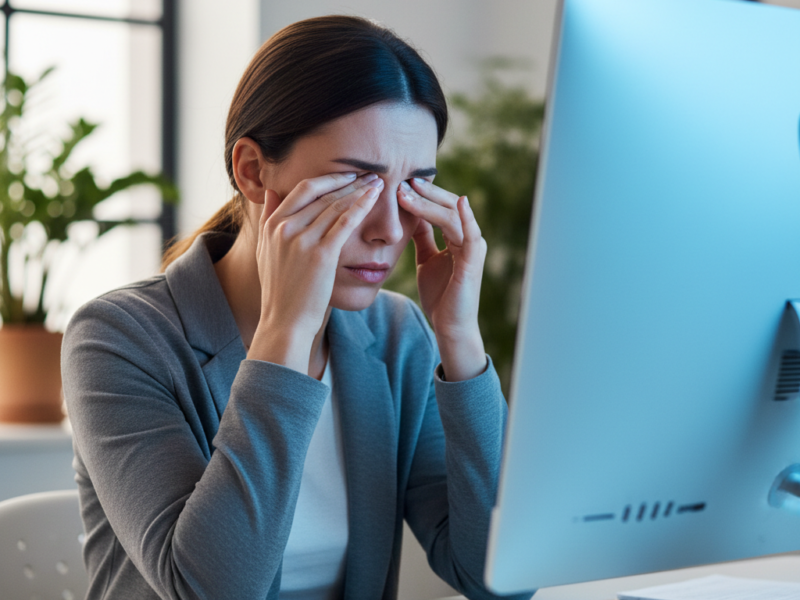
I remember sitting with a patient, a wonderful woman in her late 60s named Eleanor. She was vibrant and sharp, but she was frustrated. “Julia,” she said, “I spent so much of my life taking care of everyone else, I feel like I forgot to take care of myself. Now I have the time, but my body isn’t cooperating.” Her words struck a chord with me, because it’s a story I’ve heard countless times in my nursing career. We, as women, are often the master caregivers, the jugglers of life’s demands. But when it comes to our own long-term health, we sometimes put ourselves last. That’s why I’m so passionate about sharing actionable, science-backed longevity tips for women. It’s not about chasing an impossible ideal of eternal youth; it’s about building a foundation of health that allows you to live with energy, clarity, and joy for many, many years to come. Learn more in our guide on Is It Possible to Prevent the Decreasing of Bone Density After Your 30s?.
Understanding Female Longevity
When we talk about longevity, it’s easy to get caught up in the numbers. How many years can we live? But as a nurse, I encourage my patients to shift their focus from lifespan to healthspan. Lifespan is the total number of years you are alive, while healthspan is the number of years you live in good health, free from debilitating chronic disease. What’s the point of living to 95 if the last 15 years are spent in poor health? The goal is to close the gap between these two numbers, to live fully and vibrantly for as long as possible. Learn more in our guide on Discover the Health Benefits of Eating Wild Berries: Insights from a Renowned RN.
For women, this journey is unique. Our bodies are in a constant state of flux, governed by complex hormonal cycles that influence everything from our mood and metabolism to our bone density and heart health. From the onset of menstruation, through potential pregnancies, and into the profound transition of perimenopause and menopause, our biology presents specific challenges and opportunities. For example, the estrogen that protects our hearts and bones for decades begins to decline during menopause, which is why a woman’s risk for heart disease and osteoporosis increases significantly after this life stage. Women are also more susceptible to certain autoimmune disorders and have different symptom presentations for major health events like heart attacks. Understanding these female-specific factors isn’t meant to be daunting; it’s empowering. It allows us to be proactive and targeted in our approach to healthy aging. Learn more in our guide on Causes of Constant Constipation: Insights from a Renowned RN.
Signs and Symptoms You Should Not Ignore
One of the most important things I can teach you is to become an expert listener of your own body. Women often develop a high tolerance for discomfort, brushing off symptoms as “just stress” or “part of getting older.” Please, I urge you to let go of this habit. Your body communicates with you through subtle and not-so-subtle signs. Ignoring them can mean missing a critical window for intervention.
Let’s talk about the heart. We all have the image of a man clutching his chest from a movie, but a woman’s heart attack can feel very different. You might experience profound, unexplained fatigue that makes climbing a flight of stairs feel like running a marathon. You could have shortness of breath, nausea, dizziness, or pain in your back, jaw, or neck. It may feel more like a bad case of indigestion than a heart problem. If something feels deeply “off” and unusual for you, it warrants attention.
Pay close attention to persistent changes in your energy and metabolism. If you are sleeping eight hours a night but still wake up feeling exhausted, or if you notice unexplained weight gain or loss despite no major changes in your diet or exercise, it could signal an issue with your thyroid or other hormonal imbalances. Similarly, changes like thinning hair, brittle nails, or excessively dry skin can be external clues to internal issues.
Finally, do not dismiss your mental and cognitive health. Persistent brain fog, difficulty concentrating, or a significant shift in your mood that lasts for weeks are not simply “facts of life.” These can be linked to hormonal fluctuations during perimenopause, but they can also be signs of nutrient deficiencies, chronic inflammation, or other underlying health conditions. Your mental wellness is inextricably linked to your physical longevity. Learn more in our guide on Discover the Surprising Health Benefits of Horseradish: Insights from an RN.
What the Science Says
The pursuit of a long, healthy life is not based on fads or wishful thinking; it’s rooted in fascinating and ever-evolving science. A key area of research for women’s longevity focuses on the impact of hormonal health. Estrogen is a powerhouse hormone. For much of our lives, it helps keep our blood vessels flexible, manages cholesterol levels, and plays a crucial role in telling our bodies to build and maintain strong bones. As estrogen levels wane during and after menopause, this protective shield diminishes. This is why post-menopausal women see a sharp increase in their risk for cardiovascular events. According to the Centers for Disease Control and Prevention (CDC), heart disease is the leading cause of death for women in the United States. This isn’t just an “old man’s disease,” and understanding the hormonal link is the first step in protecting yourself.
Another critical concept is “inflammaging.” This term describes the chronic, low-grade inflammation that develops as we age. Think of it as a slow, smoldering fire inside your body. This type of inflammation is a key driver of nearly every major age-related disease, including heart disease, type 2 diabetes, arthritis, and even some cancers. The good news is that we have tremendous power over this process through our lifestyle choices, particularly our diet, stress levels, and exercise habits.
While our genes certainly play a role in our health destinies, research in epigenetics has shown us that our lifestyle can actually influence how our genes are expressed. You may have a genetic predisposition for high cholesterol, but a healthy diet, regular exercise, and stress management can act as signals that tell that gene to stay “switched off.” You have more control than you think. And perhaps one of the most powerful scientific findings is the profound link between social connection and lifespan. Meaningful relationships and a sense of community are not just nice to have; they are a biological necessity. Strong social ties have been shown to reduce stress, lower inflammation, and may be as beneficial to your long-term health as quitting smoking.
Practical Steps You Can Take Today
Knowing the science is one thing; putting it into practice is another. The best approach is to build small, sustainable habits that become a natural part of your life. Here are the pillars I focus on with my patients.
Nourish Your Body Intelligently
This is not about deprivation. It’s about abundance. Focus on adding more whole, nutrient-dense foods to your plate. Think colorful vegetables and fruits packed with antioxidants to fight inflammation, lean proteins to maintain muscle mass, and healthy fats from sources like avocados, nuts, and olive oil to support brain and hormone health. Fiber is your best friend for gut health and blood sugar balance. For women, certain nutrients are non-negotiable. Calcium and Vitamin D are the dynamic duo for bone health, especially as you approach and move through menopause. Iron is crucial for energy, particularly if you are still menstruating. And don’t be afraid of phytoestrogens from foods like flax seeds and organic soy, which can help gently support your body during hormonal transitions.
Move for Your Muscles and Bones
If you do one thing for your long-term health, make it strength training. Starting in our 30s, women begin to lose muscle mass, a condition known as sarcopenia. This slows our metabolism and weakens our entire structure. Lifting weights, using resistance bands, or even doing bodyweight exercises like squats and push-ups sends a powerful signal to your body to build and maintain both muscle and bone. The National Institutes of Health (NIH) emphasizes that weight-bearing and muscle-strengthening exercises are critical for building peak bone density and slowing bone loss. Combine this with cardiovascular exercise like brisk walking, cycling, or dancing to keep your heart strong and your spirits high. Aim for a mix of both throughout your week.
Master Your Stress and Prioritize Sleep
Chronic stress is a longevity killer. When you’re constantly in “fight or flight” mode, your body is flooded with the stress hormone cortisol. Over time, high cortisol can lead to weight gain (especially around the abdomen), high blood pressure, impaired immune function, and brain fog. You must build a “stress management toolkit.” This could include a 5-minute daily meditation practice, deep breathing exercises, spending time in nature, or simply scheduling unscheduled “do nothing” time into your calendar. Just as important is sleep. During deep sleep, your body does its most critical repair work, clearing out cellular waste, consolidating memories, and regulating hormones. Aim for 7 to 9 hours of quality sleep per night by creating a relaxing bedtime routine and a cool, dark, quiet sleep environment.
Cultivate Your Connections
Do not underestimate the power of a coffee date with a friend, a long phone call with a sibling, or joining a community group. These social interactions are powerful buffers against stress and a key ingredient in a happy, long life. Make nurturing your relationships a priority, just as you would a doctor’s appointment or a workout. It is a potent form of medicine for the soul and the body.
When to See a Healthcare Provider
Part of proactive health management is knowing when to partner with a professional. Your healthcare provider is your co-pilot on this journey, but you are the one in the driver’s seat. It is essential to stay on top of your routine preventive screenings. This includes your annual physical, regular blood pressure and cholesterol checks, Pap tests for cervical cancer, mammograms for breast cancer, and bone density scans as recommended by your provider, typically starting around menopause.
Beyond routine visits, you should make an appointment any time you experience a symptom that is persistent, severe, or simply doesn’t feel right to you. If the fatigue we discussed earlier doesn’t improve with rest, if you’re having digestive issues that last for weeks, or if you feel a palpable shift in your mood or cognitive function, it’s time to get it checked out. When you go to your appointment, be prepared. Write down your symptoms, when they started, and what makes them better or worse. Be your own best advocate. Ask questions until you understand. If you feel dismissed, it is always okay to seek a second opinion. You know your body better than anyone.
Final Thoughts
Building a life of health and longevity is not about a single, dramatic overhaul. It is the sum of a thousand small, intentional choices you make every single day. It’s choosing the stairs, adding a handful of spinach to your smoothie, calling a friend instead of scrolling, and honoring your need for rest. As women, our bodies are incredibly resilient and wise. By learning to listen to them, nourish them, and move them with intention, you are not just adding years to your life; you are adding vibrant, joyful life to your years. This is the ultimate act of self-care and the most precious gift you can give to your future self.
A Supplement Worth Discussing With Your Healthcare Provider
One product worth exploring is Master Resveratrol from Master Nutritional. This supplement supports cardiovascular health, promotes healthy aging, and provides antioxidant protection at the cellular level.
- Formulated with science-backed, high-quality ingredients
- Designed to support long-term wellness goals
- Available at masternutritional.com
These statements have not been evaluated by the Food and Drug Administration. This product is not intended to diagnose, treat, cure, or prevent any disease. Always consult your physician before starting any supplement.
Frequently Asked Questions
As a nurse, what’s one common mistake you see women make that impacts their long-term health?
Honestly, it’s often putting everyone else’s health needs before your own. We’re natural caregivers, but consistently skipping your own checkups or ignoring stress signs can lead to serious health issues down the road. Prioritizing your own well-being isn’t selfish; it’s essential for a long, healthy life.
Beyond diet and exercise, what’s a key longevity factor for women that’s often overlooked?
That’s a great question! I always emphasize the power of strong social connections. Meaningful friendships and community involvement significantly reduce stress and lower the risk of depression, which are both huge factors in longevity. Nurturing your relationships is just as important as nurturing your body.
How does managing hormones, especially during perimenopause and menopause, play a role in a woman’s longevity?
Managing hormonal shifts is absolutely crucial for long-term health. Unmanaged symptoms can disrupt sleep, affect bone density, and impact cardiovascular health, which are all linked to longevity. Working with your healthcare provider to navigate these changes can protect your body for decades to come.
From a nurse’s perspective, what type of strength training is most important for women as they age to promote a longer, healthier life?
I always recommend focusing on functional strength training that supports bone density and prevents falls. This includes exercises like squats, lunges, and lifting weights to maintain muscle mass, which naturally declines with age. Strong muscles and bones are your best defense against age-related injuries and a key to staying independent longer.
What specific health screening is most critical for a woman’s longevity that you wish more patients took seriously?
Beyond the standard mammograms and Pap smears, I urge women to be vigilant about their heart health screenings. Heart disease is the number one killer of women, yet its symptoms can be subtle and different from men’s. Regularly checking your blood pressure, cholesterol, and blood sugar provides a vital snapshot of your cardiovascular risk.