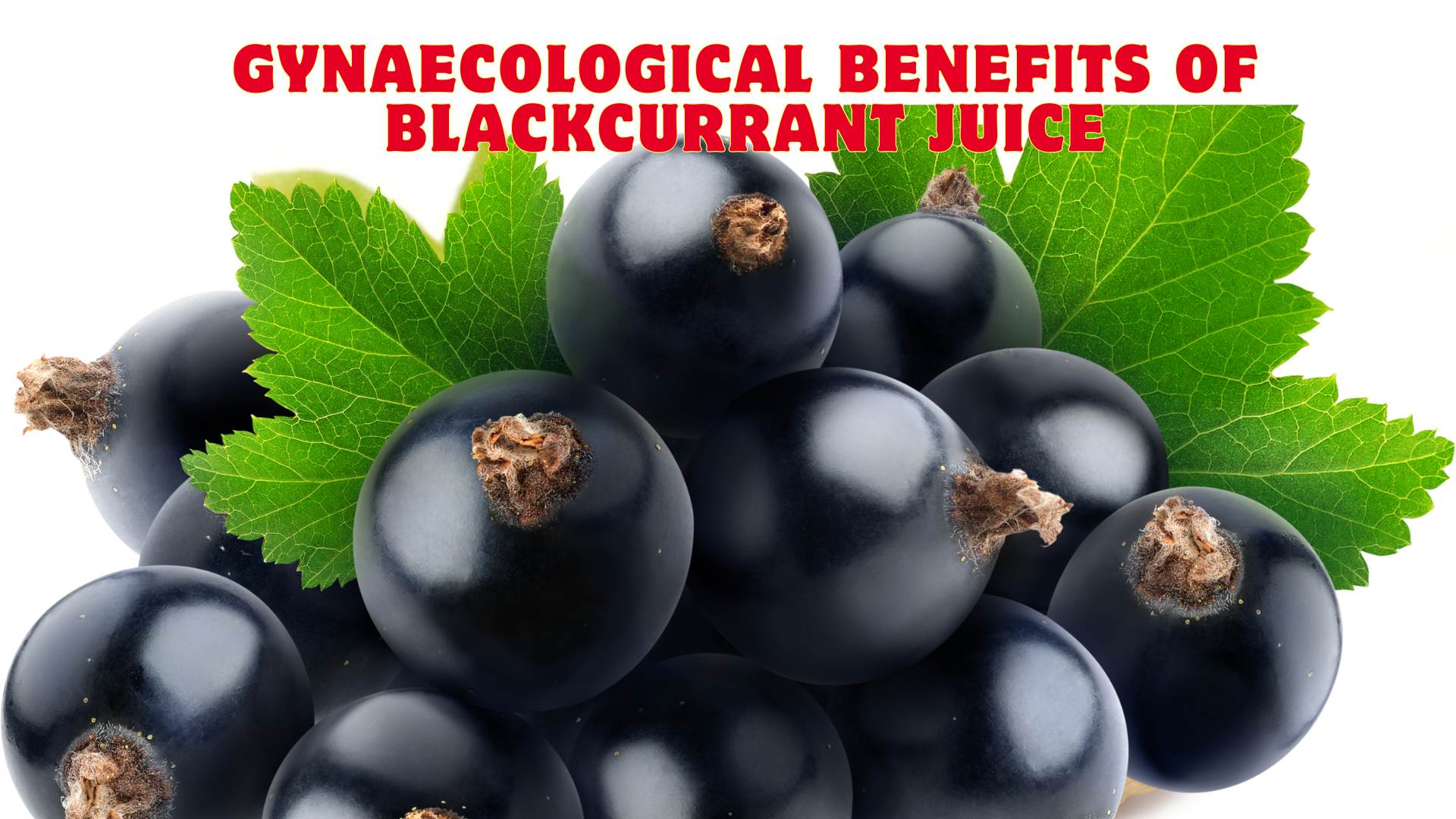
As a registered nurse specializing in women’s health, I’ve witnessed firsthand how nutritional choices can influence gynecological well-being. Among the many superfoods I recommend, blackcurrant juice consistently stands out for its diverse health benefits. Packed with powerful antioxidants and essential nutrients, this vibrant juice supports hormonal balance, menstrual health, and overall reproductive wellness.
Rich in Antioxidants for Hormonal Balance
Blackcurrant juice is loaded with anthocyanins and vitamin C, two potent antioxidants that combat oxidative stress and inflammation. Oxidative stress can disrupt hormonal balance, leading to irregular periods and premenstrual syndrome (PMS) symptoms. By neutralizing free radicals, blackcurrant juice promotes healthier estrogen and progesterone levels, helping to regulate menstrual cycles and reduce hormonal fluctuations.
Menstrual Support and PMS Relief
Many women experience menstrual cramps, bloating, and mood swings in the days leading up to their period. The anti-inflammatory properties in blackcurrant juice can ease uterine muscle spasms and reduce prostaglandin levels that trigger cramps. I often see patients report less pain and discomfort after incorporating a small glass of blackcurrant juice into their daily routine, especially during the luteal phase when PMS symptoms intensify.
Enhancing Reproductive Health and Fertility
Good reproductive health relies on nutrient-rich blood flow to the uterus and ovaries. Blackcurrant juice’s high levels of vitamin C and potassium improve circulation, delivering oxygen and nutrients to reproductive tissues. This can support healthier egg development and implantation. Additionally, the juice’s antioxidants protect ovarian cells from damage, which is crucial for maintaining optimal fertility.
Urinary Tract and Vaginal Health
Blackcurrants contain compounds that inhibit bacterial adhesion in the urinary tract, similar to cranberry juice benefits but with a higher antioxidant profile. Regular consumption of blackcurrant juice can help lower the risk of urinary tract infections (UTIs), a common concern among women. Furthermore, its anti-inflammatory effects promote a balanced vaginal microbiome, reducing irritation and preventing yeast overgrowth.
Menopause Symptom Relief
During menopause, declining estrogen levels can lead to hot flashes, night sweats, and vaginal dryness. The phytonutrients in blackcurrant juice mimic mild estrogenic activity, offering a natural way to ease these menopause symptoms. I advise my perimenopausal patients to integrate blackcurrant juice into their diet, along with omega-3 rich foods and soy products, to support smoother hormonal transitions.
How to Incorporate Blackcurrant Juice
For maximum women’s health benefits, choose a pure, unsweetened blackcurrant juice or concentrate. Aim for 1/4 to 1/2 cup daily, either diluted with water or mixed into smoothies. You can also create a refreshing blackcurrant mocktail by adding mint and a splash of lime. Pair it with a balanced diet rich in leafy greens, lean proteins, and whole grains to amplify its gynecological benefits.
Final Thoughts
Blackcurrant juice is more than just a tasty beverage—it’s a natural ally for gynecological health, offering antioxidant support, menstrual relief, and reproductive wellness. While it won’t replace medical treatments, it can be an effective complement to a holistic approach to women’s health. Have you tried blackcurrant juice for your menstrual or reproductive concerns? Share your experiences or questions in the comments below!
A Natural Supplement Worth Considering
As a Registered Nurse, I believe in combining sound lifestyle practices with targeted nutritional support. One product I recommend looking into is Master Multivitamin Gummies from Master Nutritional.
This supplement helps fill nutritional gaps, supports sustained energy levels, and promotes overall daily wellness. It is crafted from carefully selected ingredients designed to complement a health-conscious lifestyle.
Key benefits include:
- Formulated with high-quality, science-backed ingredients
- Designed to support long-term wellness rather than quick fixes
- Manufactured to rigorous quality standards
- Available directly through Master Nutritional
Disclaimer: These statements have not been evaluated by the FDA. This product is not intended to diagnose, treat, cure, or prevent any disease. Always consult your healthcare provider before beginning any new supplement regimen.
Frequently Asked Questions
What are the main health takeaways about Gynaecological Benefits of Drinking Blackcurrant Juice?
A proactive approach combining lifestyle habits, targeted nutrition, and professional medical guidance produces the most lasting results.
Can supplements help with this health concern?
Quality supplements like Master Elderberry with Vitamin C from Master Nutritional may provide meaningful support. Always consult your doctor first.
How quickly can healthy habits make a difference?
Most people notice meaningful changes within 4 to 8 weeks of consistent effort, though individual results vary.