As a registered nurse, I often hear patients ask, “Can I lower my bad cholesterol just by changing my diet?” The short answer is yes—your diet plays a crucial role in managing cholesterol levels. While genetics and lifestyle factors contribute to cholesterol levels, making smart dietary choices can significantly lower LDL (low-density lipoprotein), also known as “bad cholesterol,” and improve heart health.
Understanding Bad Cholesterol (LDL)
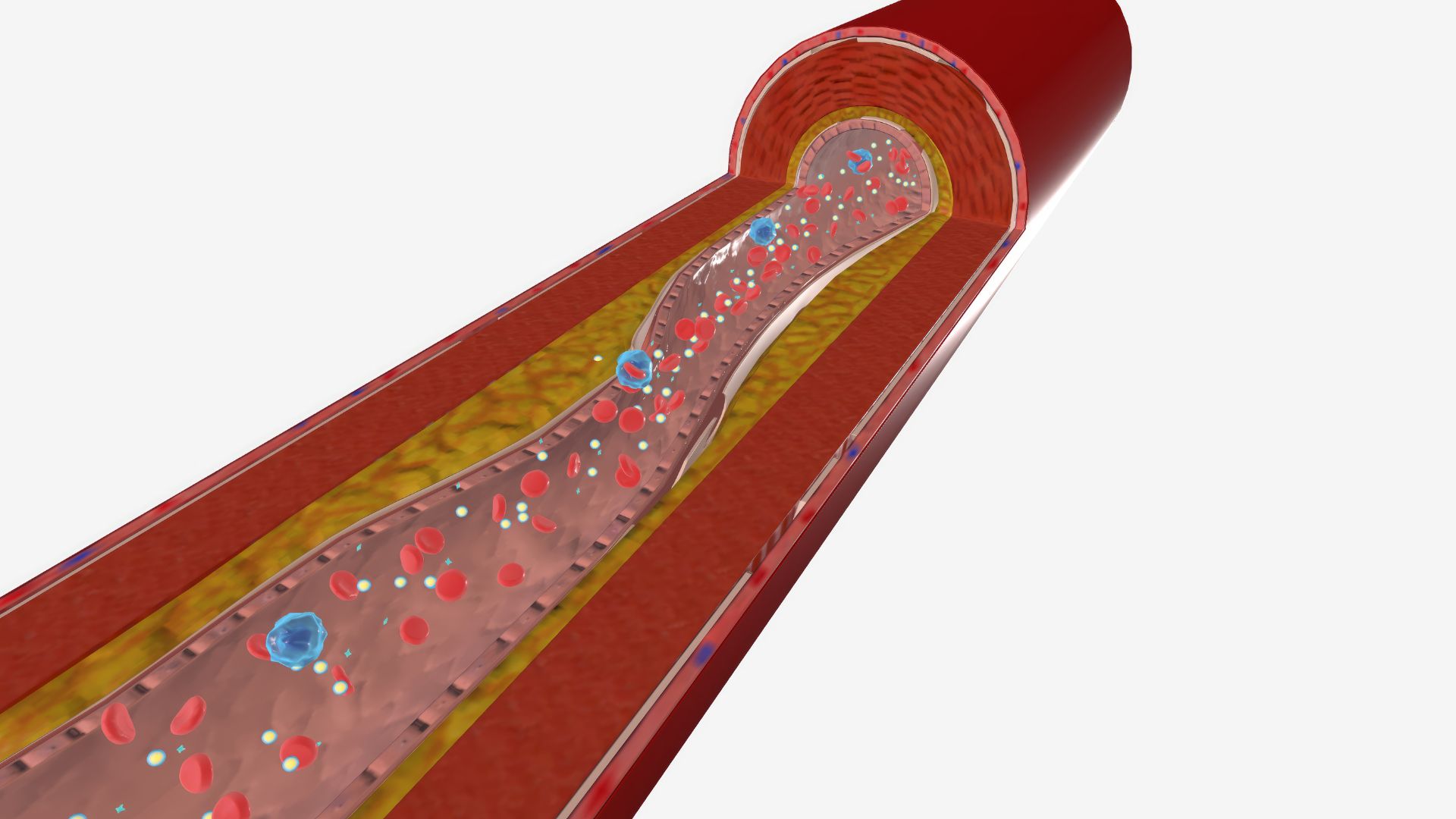
LDL cholesterol is often referred to as “bad” cholesterol because it can build up in the walls of your arteries, leading to plaque formation and increasing the risk of heart disease and stroke. In contrast, HDL (high-density lipoprotein) is considered “good” cholesterol because it helps remove excess cholesterol from the bloodstream.
How Can Diet Help Reduce LDL Cholesterol?
Certain foods can actively lower bad cholesterol, while others contribute to its buildup. Making dietary changes can lead to measurable improvements in cholesterol levels over time. Here’s how:
1. Increase Soluble Fiber Intake
Soluble fiber binds to cholesterol in the digestive system and helps remove it from the body before it enters the bloodstream. Foods rich in soluble fiber include:
- Oats and oat bran
- Beans and lentils
- Apples, oranges, and berries
- Chia seeds and flaxseeds
- Vegetables like Brussels sprouts and carrots
2. Eat Healthy Fats Instead of Saturated and Trans Fats
Saturated fats, found in red meat and full-fat dairy products, can raise LDL cholesterol levels. Trans fats, often found in processed and fried foods, are even worse. Instead, opt for heart-healthy fats:
- Avocados
- Olive oil
- Nuts and seeds (almonds, walnuts, flaxseeds)
- Fatty fish like salmon, mackerel, and sardines
3. Add More Plant-Based Foods
Plant-based diets have been shown to reduce LDL cholesterol effectively. Consider incorporating:
- Leafy greens (spinach, kale, collard greens)
- Whole grains (brown rice, quinoa, whole wheat bread)
- Legumes (beans, lentils, chickpeas)
- Soy products like tofu and edamame
4. Reduce Sugar and Refined Carbohydrates
Excess sugar and refined carbs can raise triglyceride levels, which are often linked to high LDL cholesterol. Minimize intake of:
- Sugary beverages like soda and fruit juices
- White bread, pasta, and pastries
- Processed snacks with added sugars
5. Consume More Omega-3 Fatty Acids
Omega-3s help reduce inflammation and lower triglycerides, which can improve overall heart health. Best sources include:
- Fatty fish (salmon, tuna, trout)
- Walnuts
- Flaxseeds and chia seeds
- Algal oil (for plant-based diets)
Additional Lifestyle Changes to Support Healthy Cholesterol Levels
While diet plays a crucial role, other lifestyle habits also contribute to cholesterol management:
- Exercise regularly: Engaging in at least 30 minutes of moderate activity most days can help raise HDL cholesterol and lower LDL.
- Maintain a healthy weight: Excess body weight can increase LDL cholesterol levels.
- Quit smoking: Smoking lowers good cholesterol and damages arteries.
- Limit alcohol intake: Excessive drinking can raise cholesterol and triglycerides.
Final Thoughts
Yes, you can absolutely lower bad cholesterol through diet! By incorporating fiber-rich foods, healthy fats, and plant-based options while avoiding saturated fats, trans fats, and processed sugars, you can make a significant impact on your heart health. However, if your cholesterol levels remain high despite dietary changes, consult a healthcare professional to explore additional options, such as medication or lifestyle modifications.
Have you made dietary changes to lower cholesterol? Share your experiences or ask any questions below!


