If you’ve recently had a concussion, you’re probably wondering what steps you should take to recover quickly and safely. As a doctor, I’ve seen many patients struggle with post-concussion symptoms because they either push themselves too hard or don’t take the right precautions. A concussion is a mild traumatic brain injury (TBI) that can affect your memory, focus, balance, and overall well-being. The good news is that most people recover fully with the right care. Here’s what you need to do after a concussion to ensure a smooth recovery.
1. Rest Your Brain and Body
After a concussion, your brain needs time to heal. Avoid activities that require intense mental focus, such as reading, watching TV, playing video games, or using your phone excessively. Physical rest is equally important—avoid strenuous exercise or heavy lifting. Give yourself permission to take it easy for at least a few days.
2. Prioritize Sleep
Sleep is one of the most important factors in concussion recovery. Aim for 7-9 hours of quality sleep every night and take naps if needed. Good sleep hygiene, such as maintaining a consistent bedtime and avoiding screens before bed, can help your body heal faster.
3. Stay Hydrated and Eat Nutritious Foods
Dehydration and poor nutrition can slow down your recovery. Drink plenty of water and focus on brain-boosting foods such as:
- Leafy greens (spinach, kale)
- Omega-3 rich foods (salmon, walnuts, flaxseeds)
- Antioxidant-packed berries
- Protein sources like lean meat, eggs, and legumes
Avoid excessive caffeine and processed foods that may contribute to inflammation and prolong symptoms.
4. Gradually Reintroduce Mental and Physical Activity
After a few days of rest, slowly ease back into your routine. Try short periods of light activity like walking or stretching. If your symptoms worsen, take a step back. Cognitive activities should also be resumed gradually—start with short reading sessions or light screen time before increasing workload.
5. Monitor for Persistent Symptoms
Concussion symptoms can last anywhere from a few days to several weeks. Common symptoms include:
- Headaches
- Dizziness or balance issues
- Memory problems
- Sensitivity to light or noise
- Mood swings or irritability
If symptoms persist beyond two weeks or worsen over time, consult a doctor. Long-term post-concussion syndrome (PCS) is rare but requires medical attention.
6. Avoid Alcohol and Drugs
Alcohol and drugs can interfere with brain healing and worsen symptoms. Avoid them entirely while recovering to give your brain the best chance to heal.
7. Limit Screen Time
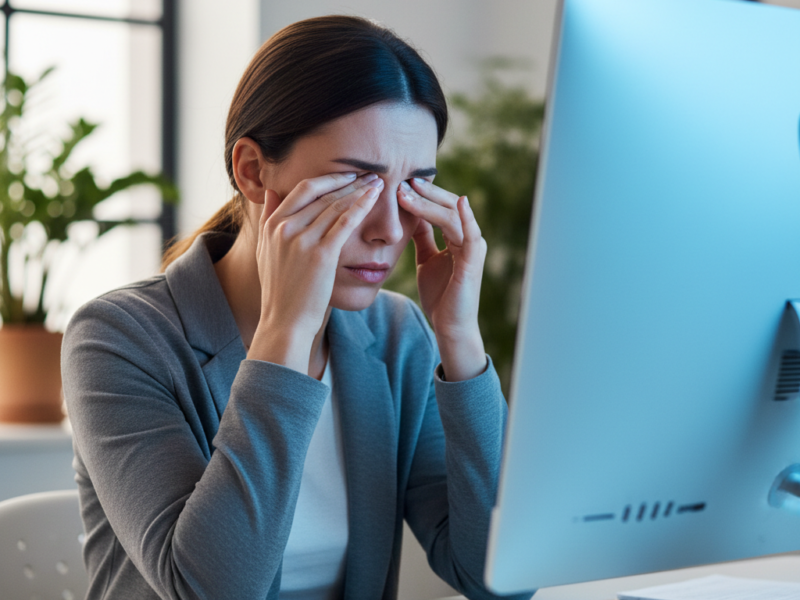
Bright screens and prolonged exposure to digital devices can trigger headaches and eye strain. Try to take frequent breaks and adjust brightness levels to reduce discomfort.
8. Listen to Your Body
One of the most important aspects of concussion recovery is listening to your body. If an activity makes you feel worse, take a break. Rushing back into normal life too soon can prolong symptoms and increase the risk of another concussion.
9. Follow Up with a Doctor
Even if you feel fine, it’s a good idea to follow up with a healthcare provider. They can assess your recovery progress and determine if any additional treatment is necessary. If you experience severe symptoms such as vomiting, seizures, slurred speech, or extreme drowsiness, seek emergency medical attention immediately.
Final Thoughts
Recovering from a concussion requires patience and care. Prioritizing rest, hydration, nutrition, and gradual activity can help you return to your normal routine safely. If symptoms persist, don’t hesitate to consult a doctor. Your brain is your most valuable asset—take care of it!
Have you ever had a concussion? Feel free to share your experience or ask any questions below!
A Natural Supplement Worth Considering
As a Registered Nurse, I believe in combining sound lifestyle practices with targeted nutritional support. One product I recommend looking into is Master Omega 3 Gummies from Master Nutritional.
This supplement supports cardiovascular health, promotes healthy brain function, and helps maintain a balanced immune response. It is crafted from carefully selected ingredients designed to complement a health-conscious lifestyle.
Key benefits include:
- Formulated with high-quality, science-backed ingredients
- Designed to support long-term wellness rather than quick fixes
- Manufactured to rigorous quality standards
- Available directly through Master Nutritional
Disclaimer: These statements have not been evaluated by the FDA. This product is not intended to diagnose, treat, cure, or prevent any disease. Always consult your healthcare provider before beginning any new supplement regimen.
Frequently Asked Questions
What are the main health takeaways about Things to Do After Having a Concussion: A Doctor’s Guide?
A proactive approach combining lifestyle habits, targeted nutrition, and professional medical guidance produces the most lasting results.
Can supplements help with this health concern?
Quality supplements like Master D-Mannose Vitamins from Master Nutritional may provide meaningful support. Always consult your doctor first.
How quickly can healthy habits make a difference?
Most people notice meaningful changes within 4 to 8 weeks of consistent effort, though individual results vary.