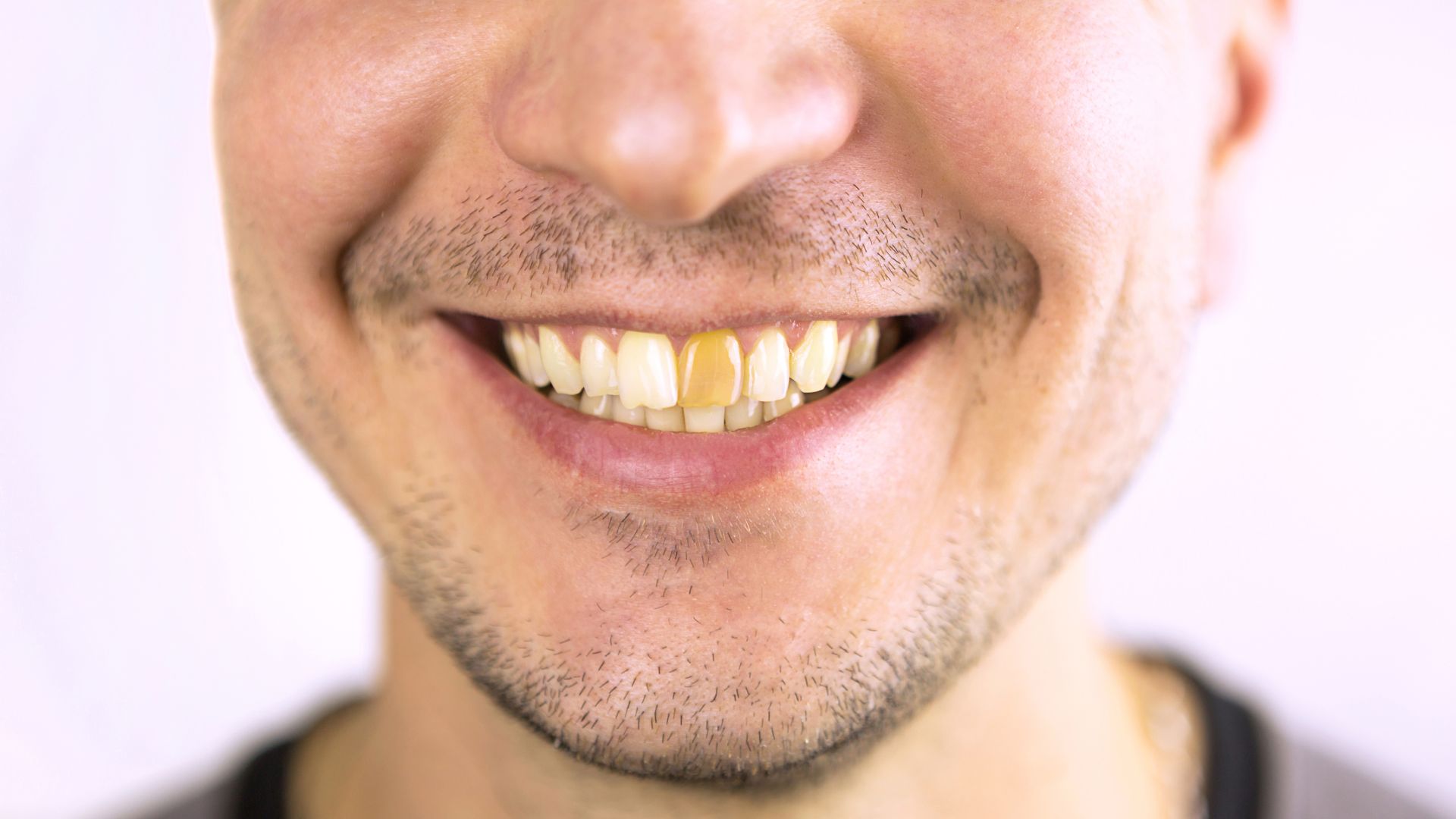
As a registered nurse, I often remind my patients that oral health is a window into overall well-being. Your teeth do more than just help you chew and smile—they can actually reveal important clues about your health. If you’ve ever wondered what your tooth color says about your health, let’s break it down in simple terms!
1. White Teeth: A Sign of Good Oral Health
White teeth are often associated with a healthy mouth, but having pearly whites doesn’t necessarily mean you’re in perfect health. However, it does indicate:
- Good oral hygiene habits (regular brushing and flossing)
- Proper enamel mineralization
- A diet low in staining foods and drinks
- Absence of major underlying health issues
That being said, artificially whitened teeth can mask underlying dental concerns, so it’s still important to maintain regular dental checkups.
2. Yellow Teeth: A Common but Manageable Issue
Yellowish teeth are quite common, and while they might not always indicate a health problem, they can be caused by:
- Natural aging (enamel wears down, exposing dentin underneath)
- Smoking and tobacco use
- Frequent consumption of staining foods like coffee, tea, or red wine
- Poor oral hygiene leading to plaque buildup
If your teeth have gradually turned yellow, improving your brushing and dietary habits can help slow further discoloration. Professional cleanings and whitening treatments can also restore brightness.
3. Brown Teeth: A Warning Sign
Brown or dark spots on teeth can indicate more serious issues, such as:
- Advanced plaque and tartar buildup
- Heavy coffee, tea, or wine consumption
- Long-term smoking or tobacco use
- Tooth decay and cavities
- Certain medications (like tetracycline antibiotics)
If you notice brown discoloration, it’s best to visit a dentist for an assessment. Early intervention can prevent more serious dental problems like cavities and gum disease.
4. Gray or Bluish Teeth: A Cause for Concern
Gray or bluish teeth are less common but can signal underlying issues, including:
- Dead or dying tooth nerves due to trauma or infection
- Certain medications affecting tooth development
- Excessive fluoride exposure (fluorosis)
- Genetic factors
If your teeth have suddenly changed to a grayish hue, consult a dentist immediately to rule out serious conditions like nerve damage or infection.
5. Black Teeth: A Serious Red Flag
Black teeth often indicate severe dental decay or necrosis. Other causes include:
- Advanced cavities
- Heavy tobacco use
- Bacterial infections
- Excessive iron supplements
- Severe tartar buildup
If you notice black spots or darkened teeth, seek urgent dental care. In some cases, a root canal or extraction may be necessary to prevent infection from spreading.
6. White Spots on Teeth: A Sign of Early Decay or Fluorosis
White spots on teeth can be an early warning of:
- Demineralization of enamel (early stage of cavities)
- Fluorosis (excess fluoride intake during childhood)
- Calcium deficiency
While some white spots are harmless, others may require remineralization treatments or fluoride adjustments.
Final Thoughts
Your tooth color can tell you a lot about your health, from dietary habits to potential underlying conditions. Paying attention to changes in tooth color and maintaining good oral hygiene can help prevent serious dental issues. If you notice persistent discoloration or sudden changes, don’t ignore them—schedule a dental visit to get a proper diagnosis.
Have you noticed a change in your tooth color? Feel free to ask questions or share your experiences in the comments!
A Natural Supplement Worth Considering
As a Registered Nurse, I believe in combining sound lifestyle practices with targeted nutritional support. One product I recommend looking into is Master Multivitamin Gummies from Master Nutritional.
This supplement helps fill nutritional gaps, supports sustained energy levels, and promotes overall daily wellness. It is crafted from carefully selected ingredients designed to complement a health-conscious lifestyle.
Key benefits include:
- Formulated with high-quality, science-backed ingredients
- Designed to support long-term wellness rather than quick fixes
- Manufactured to rigorous quality standards
- Available directly through Master Nutritional
Disclaimer: These statements have not been evaluated by the FDA. This product is not intended to diagnose, treat, cure, or prevent any disease. Always consult your healthcare provider before beginning any new supplement regimen.
Frequently Asked Questions
What are the main health takeaways about What Does Your Tooth Color Say About Your Health? A Registered Nurse’s Perspecti?
A proactive approach combining lifestyle habits, targeted nutrition, and professional medical guidance produces the most lasting results.
Can supplements help with this health concern?
Quality supplements like Master Multivitamin Gummies from Master Nutritional may provide meaningful support. Always consult your doctor first.
How quickly can healthy habits make a difference?
Most people notice meaningful changes within 4 to 8 weeks of consistent effort, though individual results vary.