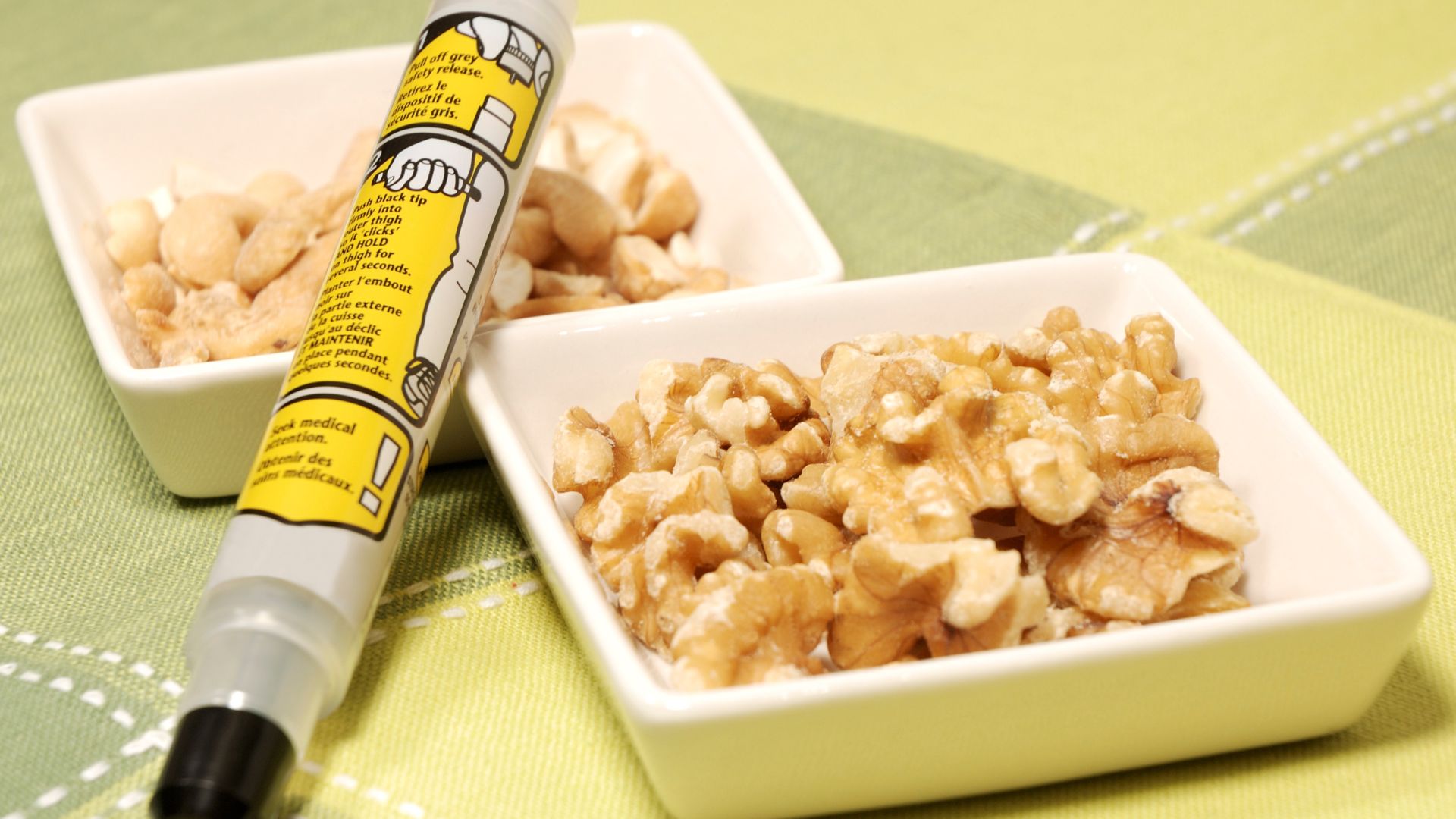
As a registered nurse, I have seen firsthand how life-threatening allergic reactions can unfold within minutes. Anaphylaxis, a severe allergic reaction, can happen suddenly and without warning, making quick action crucial. This is why I strongly believe that having an EpiPen (epinephrine auto-injector) on hand can make all the difference in saving a life.
What is an EpiPen and How Does It Work?
An EpiPen is a portable, easy-to-use medical device that delivers a dose of epinephrine, a medication that helps reverse severe allergic reactions. Epinephrine works by:
- Constricting blood vessels to improve blood pressure.
- Opening up airways to ease breathing.
- Reducing swelling and hives.
It is designed for emergency use when someone experiences a severe allergic reaction, commonly triggered by food allergies (peanuts, shellfish, dairy), insect stings, medications, or latex.
Who Should Have an EpiPen?
If you or a loved one has a history of allergies, especially those that can lead to anaphylaxis, having an EpiPen is essential. You should carry one if:
- You have been diagnosed with severe food allergies.
- You have had an anaphylactic reaction before.
- You are allergic to insect stings, such as bee or wasp venom.
- You have medication allergies, including antibiotics or pain relievers.
- You suffer from exercise-induced anaphylaxis.
Even if you’ve never had a severe reaction, allergies can worsen over time, and a mild reaction today could become a life-threatening one in the future.
Signs of Anaphylaxis: When to Use an EpiPen
Recognizing the symptoms of anaphylaxis can save a life. Common signs include:
- Swelling of the face, lips, tongue, or throat.
- Difficulty breathing or wheezing.
- Rapid or weak pulse.
- Severe itching, hives, or redness.
- Nausea, vomiting, or diarrhea.
- Dizziness or fainting.
If you notice these symptoms, use an EpiPen immediately and call 911. Delaying treatment can lead to life-threatening complications.
How to Use an EpiPen Properly
Knowing how to use an EpiPen before an emergency arises is vital. Here’s a simple step-by-step guide:
- Remove the safety cap.
- Hold the EpiPen firmly in your hand and aim for the outer thigh.
- Press firmly against the thigh until you hear a click.
- Hold in place for about 3 seconds before removing.
- Call emergency services and seek medical attention, as the effects of epinephrine can wear off.
Why Carrying an EpiPen Can Save Lives
Many people underestimate the speed at which anaphylaxis can escalate. Having an EpiPen readily available means you are always prepared. Schools, workplaces, and even public places should have access to epinephrine to ensure timely intervention.
Final Thoughts
Anaphylaxis can be unpredictable, but being prepared with an EpiPen can mean the difference between life and death. If you or a loved one has severe allergies, make sure you always have an EpiPen on hand, know how to use it, and seek immediate medical help when needed.
Have you or someone you know ever had to use an EpiPen in an emergency? Share your experiences or ask any questions below!


