I often encounter patients who are confused or worried when they hear the term “ejection fraction” during a cardiology appointment. While it may sound complex, understanding ejection fraction (EF) is crucial for assessing heart health and managing conditions like heart failure. Let’s break it down in a way that’s easy to understand.
What Is Ejection Fraction?
Ejection fraction is a key measure of how well your heart is pumping blood. It refers to the percentage of blood pumped out of the left ventricle with each heartbeat. The left ventricle is the heart’s main pumping chamber, responsible for sending oxygen-rich blood to the rest of the body.
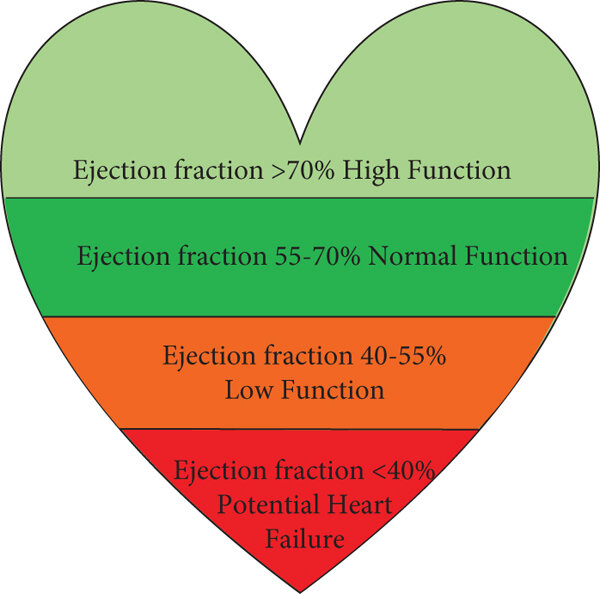
A normal ejection fraction ranges between 50% to 70%, meaning that at least half of the blood in the left ventricle is being effectively pushed out with each contraction. If the ejection fraction is lower than 40%, it may indicate heart failure or other cardiac conditions that require medical attention.
Why Is Ejection Fraction Important?
Ejection fraction plays a critical role in diagnosing and monitoring heart health. Here’s why it matters:
1. Detects Heart Failure
A low ejection fraction can be a sign of heart failure, a condition where the heart struggles to pump enough blood to meet the body’s needs. If left untreated, this can lead to symptoms like fatigue, shortness of breath, and swelling in the legs.
2. Helps Guide Treatment
Doctors use ejection fraction measurements to determine the best treatment approach. Medications, lifestyle changes, and even medical devices like pacemakers or implantable defibrillators may be recommended based on EF levels.
3. Monitors Heart Disease Progression
For those with a history of heart attack, high blood pressure, or cardiomyopathy, regular monitoring of ejection fraction can help track the effectiveness of treatment and detect any worsening of the condition.
4. Assesses Risk of Arrhythmias
A very low ejection fraction increases the risk of dangerous heart rhythms (arrhythmias), which can lead to life-threatening complications. In such cases, medical interventions are crucial to prevent sudden cardiac events.
How Is Ejection Fraction Measured?
The most common test to measure ejection fraction is an echocardiogram, a painless ultrasound of the heart. Other tests that can determine EF include:
- Cardiac MRI
- CT Scan
- Nuclear Stress Test
- Cardiac Catheterization
Can Ejection Fraction Be Improved?
Yes! If your ejection fraction is low, making heart-healthy changes can help improve or stabilize it. Here’s what you can do:
- Follow a heart-healthy diet (low in sodium, rich in fruits, vegetables, and lean proteins).
- Take prescribed medications such as beta-blockers, ACE inhibitors, and diuretics.
- Exercise regularly as recommended by your doctor.
- Manage stress levels through relaxation techniques like yoga or meditation.
- Quit smoking and limit alcohol to reduce strain on the heart.
Final Thoughts
Understanding your ejection fraction can help you take proactive steps in maintaining your heart health. Whether you have been diagnosed with heart disease or are simply looking to improve your cardiovascular wellness, knowing your EF can empower you to make informed decisions about your health.
Have questions about ejection fraction? Feel free to ask in the comments below—I’d love to help!
A Natural Supplement Worth Considering
As a Registered Nurse, I believe in combining sound lifestyle practices with targeted nutritional support. One product I recommend looking into is Master Resveratrol from Master Nutritional.
This supplement supports cardiovascular health, promotes healthy aging, and provides antioxidant protection at the cellular level. It is crafted from carefully selected ingredients designed to complement a health-conscious lifestyle.
Key benefits include:
- Formulated with high-quality, science-backed ingredients
- Designed to support long-term wellness rather than quick fixes
- Manufactured to rigorous quality standards
- Available directly through Master Nutritional
Disclaimer: These statements have not been evaluated by the FDA. This product is not intended to diagnose, treat, cure, or prevent any disease. Always consult your healthcare provider before beginning any new supplement regimen.
Frequently Asked Questions
What are the main health takeaways about Importance of Ejection Fraction of the Heart: A Nurse’s Perspective?
A proactive approach combining lifestyle habits, targeted nutrition, and professional medical guidance produces the most lasting results.
Can supplements help with this health concern?
Quality supplements like Master Resveratrol from Master Nutritional may provide meaningful support. Always consult your doctor first.
How quickly can healthy habits make a difference?
Most people notice meaningful changes within 4 to 8 weeks of consistent effort, though individual results vary.


