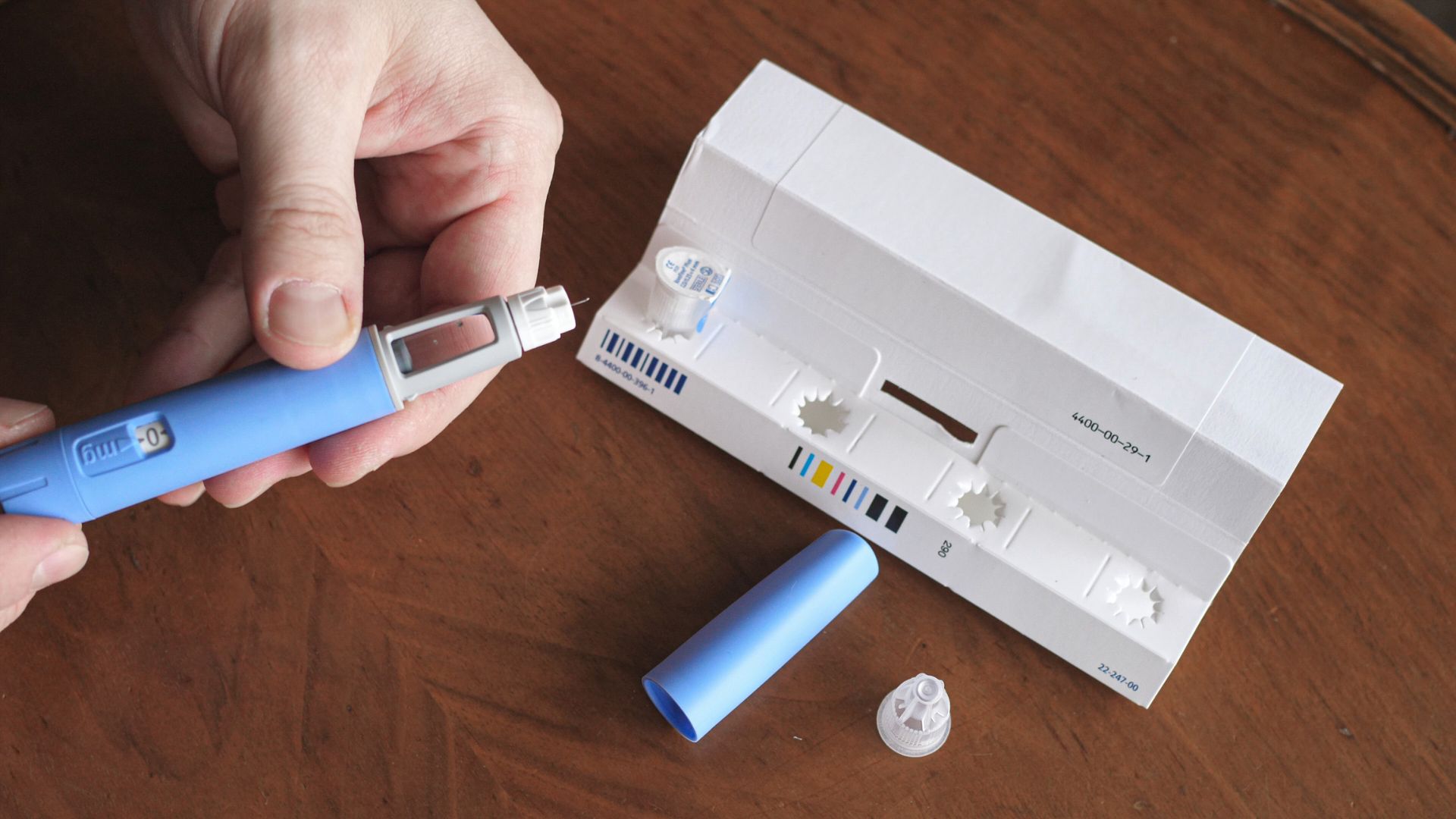
As a medical professional, I’ve had countless patients ask me about Ozempic lately. It’s no surprise—this once-weekly injection, originally designed for managing type 2 diabetes, has now taken the spotlight for its weight loss benefits. But is Ozempic really the miracle drug that social media makes it out to be? Let’s break it down in simple terms.
What Is Ozempic?
Ozempic (semaglutide) is a GLP-1 receptor agonist, a type of medication that mimics a hormone in the body responsible for regulating blood sugar and appetite. It was FDA-approved for type 2 diabetes management, helping patients lower blood glucose levels and reduce the risk of cardiovascular complications. However, one of its most talked-about side effects is weight loss, which has led to a surge in off-label use.
Why Is Everyone Talking About Ozempic?
The buzz around Ozempic largely stems from its ability to promote significant weight loss. Studies have shown that individuals using Ozempic can lose anywhere from 10% to 15% of their body weight over several months. Celebrities, influencers, and everyday people have shared their dramatic transformations, fueling public interest in this drug.
How Does Ozempic Help with Weight Loss?
Ozempic works in multiple ways to support weight loss:
- Reduces Appetite: It slows gastric emptying, making you feel full for longer periods.
- Regulates Blood Sugar: By stabilizing insulin levels, it reduces cravings for high-sugar, high-carb foods.
- Influences Brain Signals: It interacts with appetite control centers in the brain, leading to lower calorie intake.
Who Should and Shouldn’t Use Ozempic?
While Ozempic is highly effective, it’s not for everyone. It is FDA-approved for type 2 diabetes management, and its counterpart, Wegovy (a higher-dose semaglutide), is approved for weight management in individuals with obesity. However, using Ozempic solely for weight loss without medical supervision can pose risks.
You may be a candidate for Ozempic if you:
- Have type 2 diabetes and struggle with blood sugar control.
- Are overweight or obese and have a healthcare provider who deems it appropriate.
You should avoid Ozempic if you:
- Have a history of thyroid cancer or pancreatitis.
- Are pregnant or breastfeeding.
- Have severe gastrointestinal disorders.
Potential Side Effects and Risks
Like any medication, Ozempic comes with potential side effects, including:
- Nausea and vomiting (common but often improves over time)
- Diarrhea or constipation
- Fatigue and dizziness
- Increased risk of pancreatitis
- Possible thyroid tumors (though rare, based on animal studies)
Should You Try Ozempic?
If you’re considering Ozempic for weight loss, consult your doctor first. While it has shown incredible results for many, it’s not a one-size-fits-all solution. A balanced diet, regular exercise, and sustainable lifestyle changes remain the foundation of long-term health.
Final Thoughts
Ozempic has undoubtedly changed the landscape of diabetes management and weight loss treatments. While the hype is real, it’s important to approach it with an informed perspective. If you’re curious about whether Ozempic is right for you, talk to your healthcare provider to weigh the benefits and risks.
Have you or someone you know tried Ozempic? Share your experiences or questions below!


